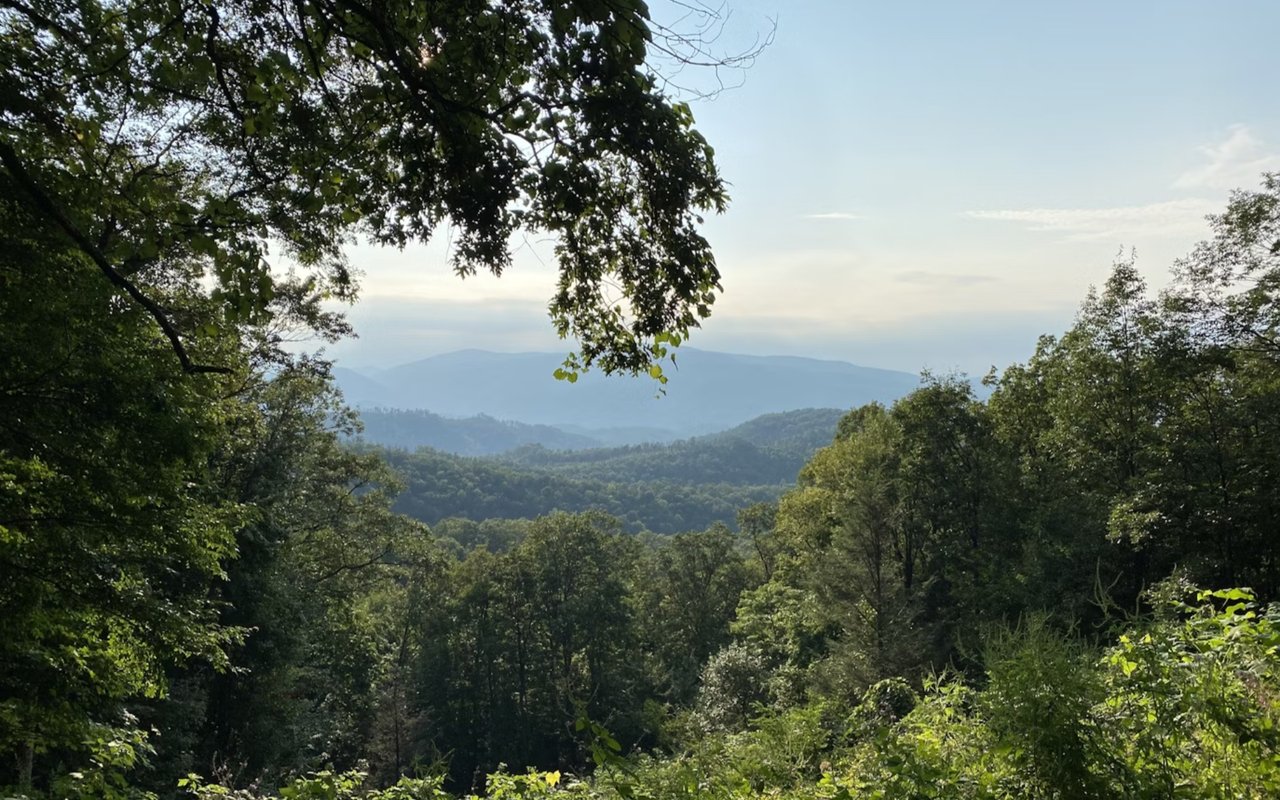
East Memphis, TN Neighborhood Guide
East Memphis is the established, leafy heart of the city's eastern half, a mix of mid-century neighborhoods, private-school campuses, hospital corridors, and the office towers along Poplar Avenue. It's where many Memphians end up when they want space, mature trees, and good schools without leaving the city limits for Germantown or Collierville.
What sets East Memphis apart is balance. You get large lots and quiet streets, but you're also minutes from Audubon Park, the Memphis Botanic Garden, Shelby Farms Park, two major hospital systems, and some of the city's best dining. For buyers, that combination is why homes here tend to hold their value, and why the area stays in demand across price points, from first homes in Colonial Acres to estates in River Oaks.
Where East Memphis Is Located and How It's Defined
East Memphis sits roughly 8 to 12 miles east of Downtown, between Midtown and the suburbs of Germantown and Cordova. It has no official city boundary, so ask three locals and you'll get three slightly different maps. The most commonly accepted borders are:
- West: around Highland Street, where Midtown and the University District give way to East Memphis
- East: Kirby Parkway and the Germantown city line
- North: roughly Summer Avenue and Macon Road
- South: the I-240 and Nonconnah Creek area
The core of East Memphis falls largely within the 38117, 38119, and 38120 ZIP codes, with parts of 38111 on the western edge. When we talk with buyers, we find ZIP code and school zone matter far more in practice than the "East Memphis" label itself, since both affect price, school assignment, and resale.
A Brief History of East Memphis
Before World War II, most of this area was farmland and woods. Early anchors like West Tennessee Normal School (founded in 1912, now the University of Memphis) and the Summer Avenue corridor, later part of U.S. Route 70, pulled development eastward.
The real growth came after the war. Returning veterans and young families moved out from Midtown, and neighborhoods like High Point Terrace and Colonial Acres filled with brick cottages and ranch homes on generous lots. Through the 1950s and 1960s, Memphis annexed much of the area, and Poplar Avenue grew into a commercial and corporate spine. Clark Tower, completed in the early 1970s, became the symbol of that shift, and shopping centers like Laurelwood made East Memphis a retail destination.
Once open land ran out in the 1980s and beyond, the story changed from expansion to reinvestment. Today, much of the area's energy comes from renovations, luxury infill, and teardown rebuilds on desirable lots, which is a big reason property values here have stayed strong.
East Memphis Neighborhoods and Subdivisions to Know
Each pocket of East Memphis has its own personality and price range. These are the ones buyers ask us about most.
High Point Terrace is on the western side and is one of the most walkable, close-knit neighborhoods in the area. Expect 1940s and 1950s cottages, a small neighborhood shopping strip, and direct access to the Shelby Farms Greenline.
Chickasaw Gardens sits near the Pink Palace and is known for its winding streets, lake, and large traditional homes, many with historic character.
Grove Park and the Walnut Grove area offer some of the most sought-after addresses close to the city's center, with substantial traditional homes and high-end rebuilds. Our team recently closed a sale at 101 N Grove Park Rd for $1.6 million, a good example of where this pocket of the market sits.
White Station and Shady Grove are shaped by their school options, including White Station High School and several private campuses nearby. You'll find mid-century and traditional homes, many renovated, under a mature oak canopy.
River Oaks and Kirby Woods, toward the eastern edge near Germantown, are the luxury end of East Memphis, with custom estates, larger lots, and gated enclaves.
Colonial Acres in the southern part of the area is one of the more accessible entry points, with 1950s brick ranches, solid starter-home inventory, and quick access to I-240.
Sea Isle Park is a quiet, family-oriented neighborhood centered on its namesake park, made up mostly of well-kept 1960s brick ranches.
Normal Station, just south of the University of Memphis, has a younger, mixed feel with craftsman bungalows, rentals, and a strong student and faculty presence.
Housing Styles and Architecture in East Memphis
Because East Memphis grew in waves, you can almost date a street by its houses.
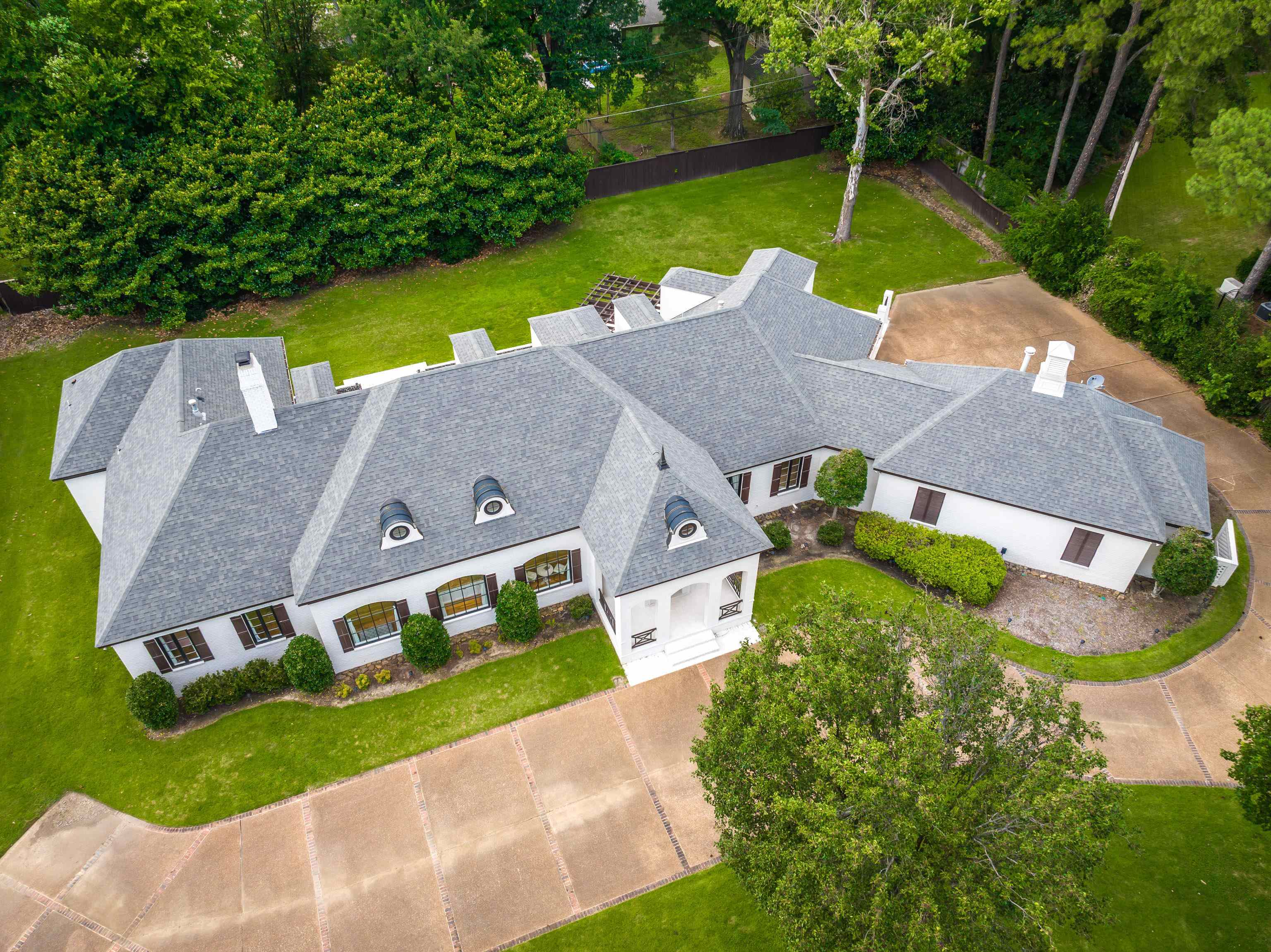
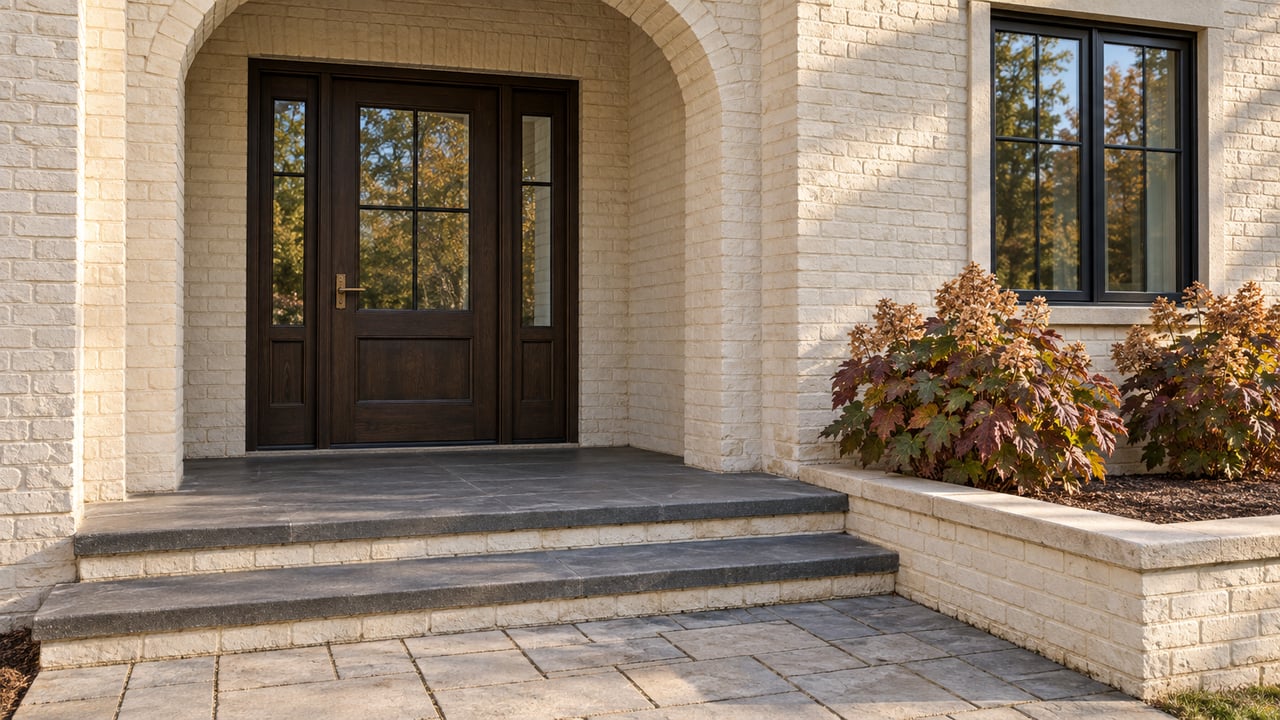
The mid-century brick ranch is the signature East Memphis home. Built mostly from the 1950s through the 1970s, these single-story homes typically have full-brick exteriors, hardwood floors, and quarter- to half-acre lots. They're popular with buyers who want single-level living or a solid house to update.
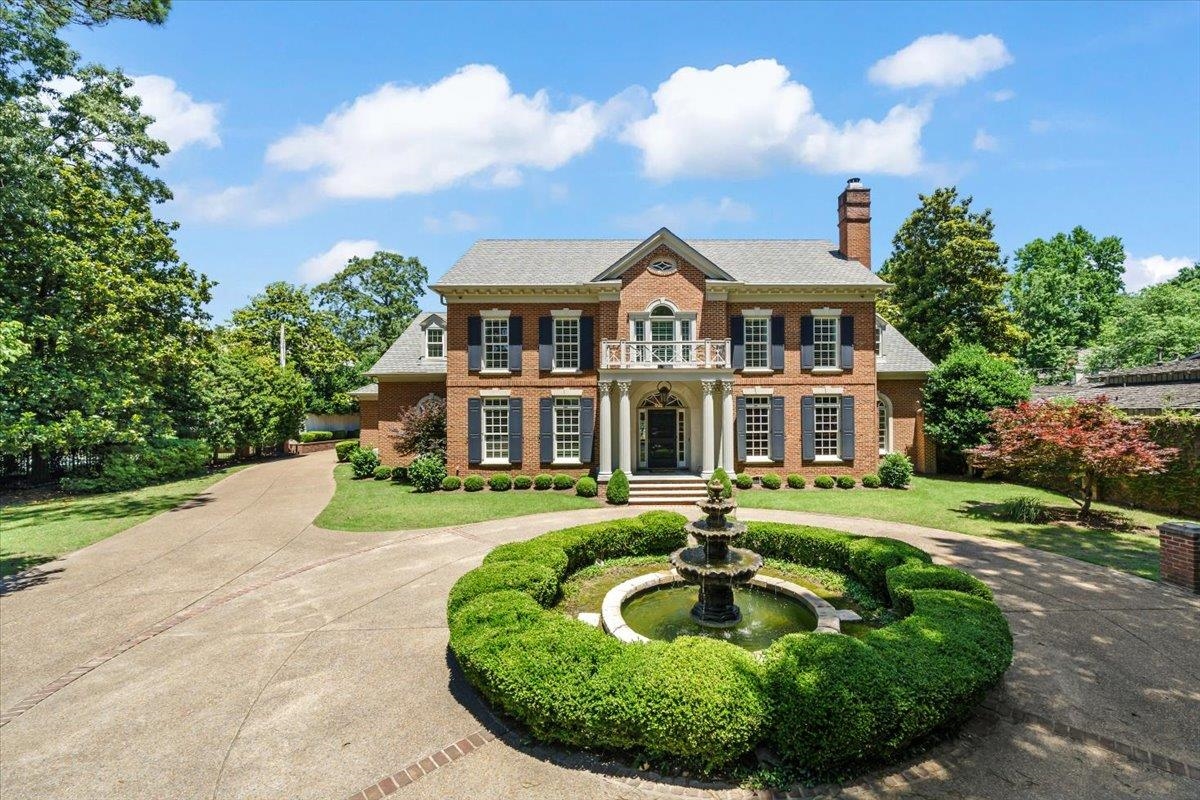
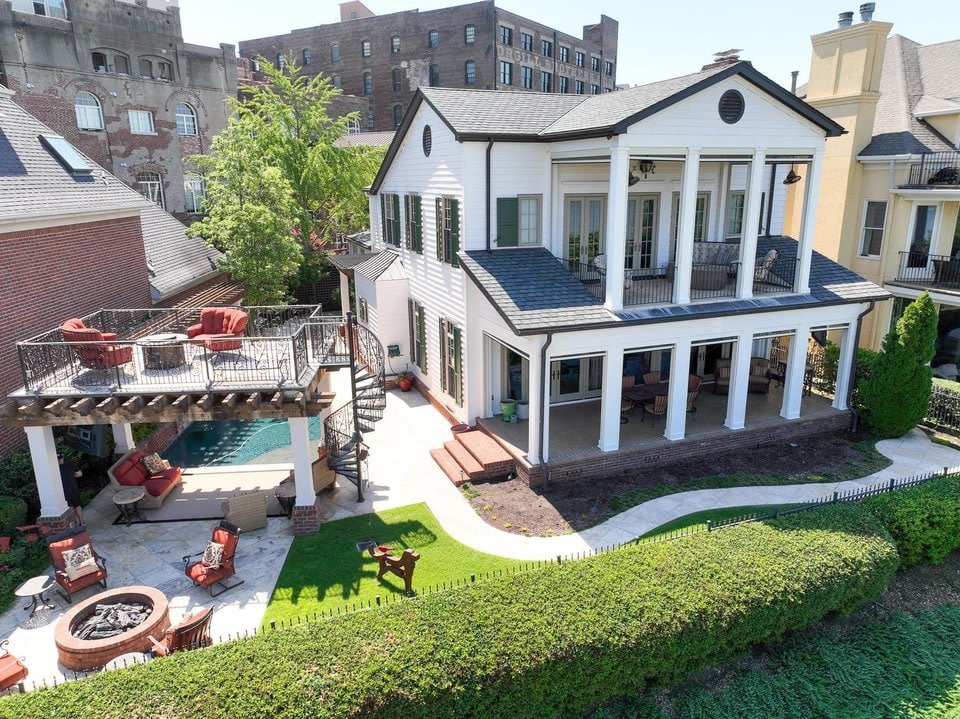
In older western neighborhoods like High Point Terrace, you'll see 1940s cottages and Cape Cods with steeper rooflines, dormers, and more compact footprints. Areas like White Station, Shady Grove, and Greentrees lean toward two-story Traditional and Colonial Revival homes with formal rooms and larger garages.
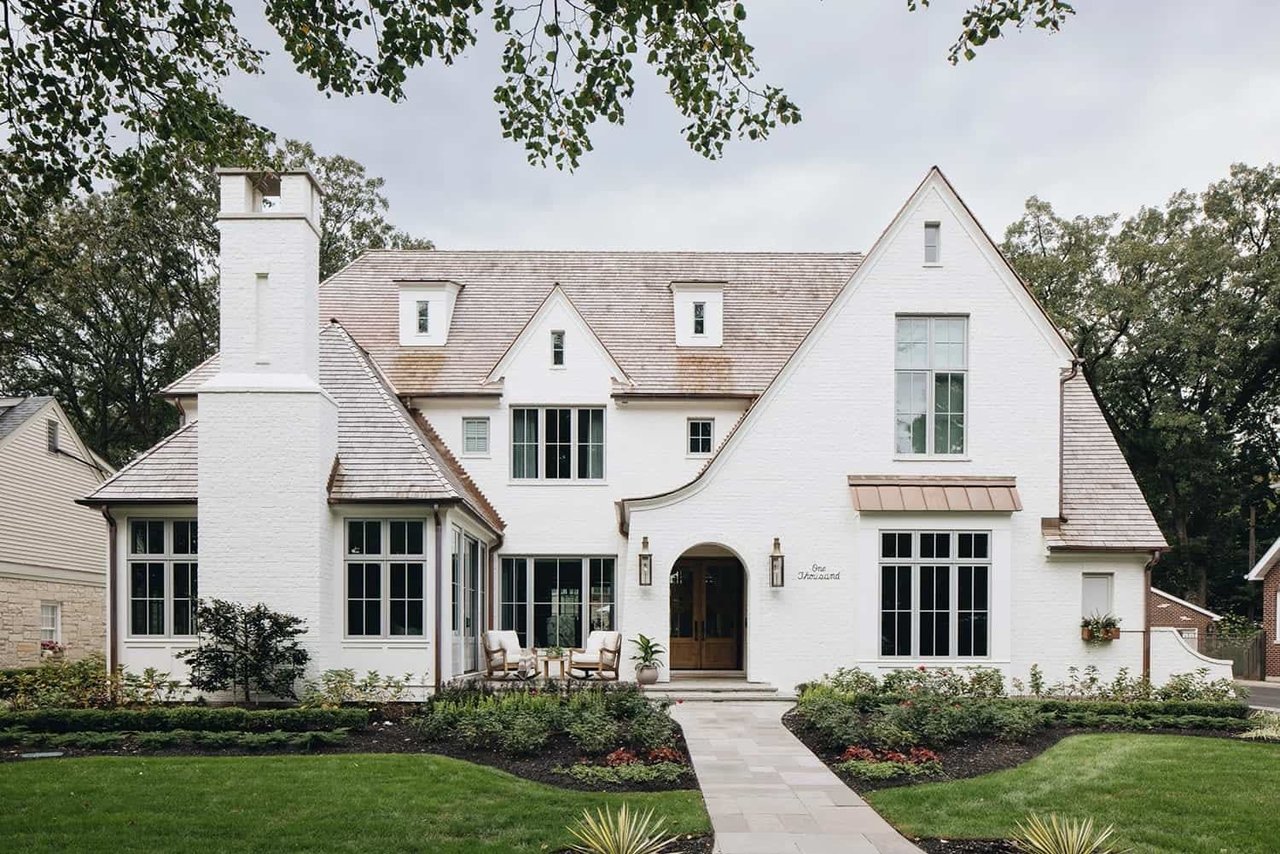
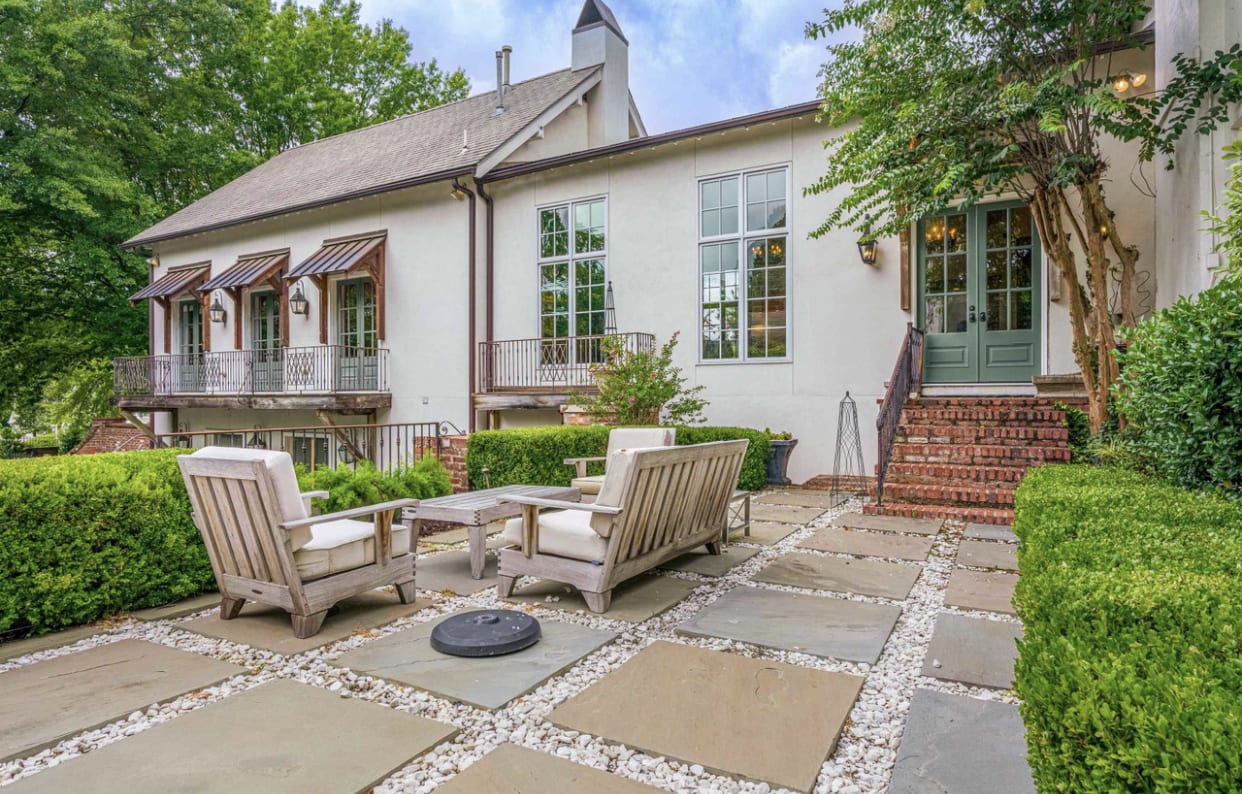
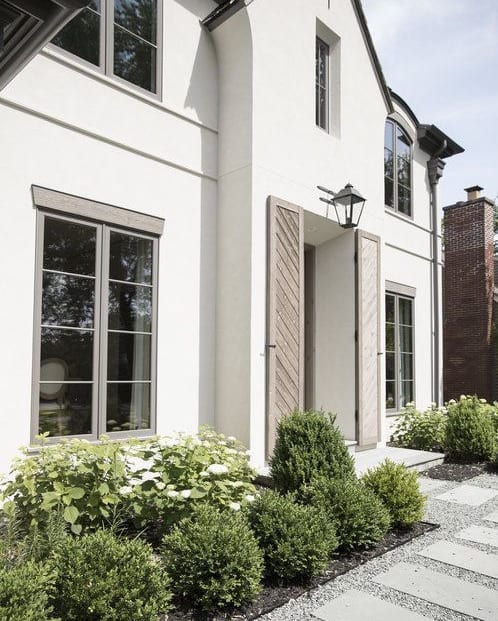
At the top of the market, custom estates in River Oaks, Kirby Woods, and along Walnut Grove and Poplar range from French Country and Mediterranean to contemporary builds, many over 5,000 square feet.
The newest trend is infill. As lot values have risen, builders are buying older ranches and replacing them with modern two-story homes. For sellers with a dated house on a good lot, this means the land itself may be a major part of the value. For buyers, it means you'll often find a brand-new home next to an original 1958 ranch on the same street.
The East Memphis Real Estate Market
East Memphis prices sit well above the Memphis citywide average, driven by schools, central location, and steady demand from medical and corporate professionals. The figures below are approximate and shift by neighborhood and season, so treat them as a starting point rather than a quote.
Market Snapshot | East Memphis | Memphis Citywide |
|---|
Median sale price | ~$330,000–$350,000 | ~$150,000–$170,000 |
Price per sq. ft. | ~$150–$175 | ~$95–$110 |
Typical days on market | ~35–55 days | ~60–75 days |
Market feel | Stable to competitive | Moderate, buyer-leaning |
The median hides a wide range. Starter homes in Colonial Acres and Sea Isle Park often fall in the $200,000 to $280,000 range, while River Oaks and similar enclaves regularly see listings above $1 million, sometimes well over $2 million.
A few things we watch closely here: renovated homes in strong school zones move quickly, while original-condition homes may sit longer unless priced for the updates they need. Rental demand is also strong because of the university, hospitals, and Poplar's office corridor, with single-family rents commonly in the $1,800 to $2,500+ range. That makes the area attractive to investors as well as owner-occupants.
Schools in and Around East Memphis
Schools are one of the biggest reasons families choose East Memphis, and they're often the deciding factor between two homes a few streets apart.
On the public side, the White Station cluster within Memphis-Shelby County Schools is the main draw. White Station High School is consistently ranked among the strongest public high schools in Tennessee, known for its advanced coursework and National Merit Scholar numbers. White Station Middle and Richland Elementary feed into it, which is why homes zoned for this cluster carry a premium. Overton High School offers a creative and performing arts program for students interested in music, theater, and visual arts.
East Memphis also has one of the strongest concentrations of private schools in the region:
- Memphis University School (MUS): college-prep day school for boys
- Hutchison School: college-prep day school for girls, PreK through 12
- St. Mary's Episcopal School: independent girls' school with strong STEM and arts programs
- Christian Brothers High School (CBHS): Catholic college-prep school for boys
- St. Agnes Academy–St. Dominic School: Catholic network with co-ed elementary and single-gender upper grades
School zone boundaries can change, so we always recommend confirming a specific address with MSCS before making an offer.
Parks, Green Spaces, and Outdoor Recreation in East Memphis
East Memphis is often called the city's "garden district," and the green space genuinely shapes daily life here.
Shelby Farms Park, on the area's eastern edge, is one of the largest urban parks in the country at about 4,500 acres. Residents use it for trail running, biking, paddling on Patriot Lake, the zipline course, and seeing the park's bison herd.
Audubon Park covers about 373 acres in the middle of East Memphis, with a paved loop around the lake, a golf course, and tennis facilities. The Memphis Botanic Garden sits within it on 96 acres, with more than 20 specialty gardens and the popular Live at the Garden summer concert series.
Tying it all together is the Shelby Farms Greenline, a paved trail of about 10.6 miles that runs through East Memphis from the Midtown side to Shelby Farms Park. For homes near the Greenline, especially in High Point Terrace, trail access is a real selling point.
Arts, Culture, and Attractions in East Memphis
East Memphis culture is quieter than Downtown's Beale Street scene or Midtown's arts strip. Think museums, gardens, and live theater rather than nightlife.
The Dixon Gallery and Gardens is the standout, a 17-acre property known for its French Impressionist collection, decorative arts, and formal gardens. Theatre Memphis, near Audubon Park, is one of the oldest and largest community theaters in the country and stages everything from musicals to dramas.
On the western edge, the Museum of Science & History – Pink Palace occupies the pink marble mansion originally built for Piggly Wiggly founder Clarence Saunders. It houses regional history exhibits, a giant-screen theater, and the Sharpe Planetarium. Combined with the Botanic Garden's concerts, it gives East Memphis residents a steady calendar of things to do close to home.
Shopping and Dining Along the Poplar Avenue Corridor
Poplar Avenue is East Memphis's main street, and much of daily life happens somewhere along it.
Laurelwood Shopping Center is an open-air center with boutiques, national retailers, and dining. Oak Court Mall at Poplar and Perkins covers the traditional mall experience. Regalia, near Poplar and Ridgeway, leans upscale with boutiques, spas, and restaurants. Chickasaw Oaks Village is a smaller indoor collection of local shops and home decor stores, and Poplar Plaza at Poplar and Highland is one of the city's older shopping centers, handy for everyday errands.
Dining in East Memphis tends toward steakhouses, upscale Southern, and longtime local favorites. Folk's Folly Prime Steak House is a Memphis institution, and Acre is a go-to for modern Southern cooking in a relaxed setting. For barbecue, Central BBQ has an East Memphis location on Summer Avenue. Between the coffee shops, bakeries, and casual lunch spots that serve the office crowd, you rarely have to leave the neighborhood to eat well.
Healthcare and Medical Facilities in East Memphis
East Memphis is one of the Mid-South's major healthcare hubs, which matters both for residents and for the steady stream of medical professionals buying and renting here.
Baptist Memorial Hospital–Memphis, at Walnut Grove Road and I-240, is a large flagship hospital with specialty programs in heart care, neuroscience, and cancer care, alongside Baptist Women's Hospital on the same campus. Saint Francis Hospital–Memphis on Park Avenue is a full-service acute-care hospital with emergency, cardiac, orthopedic, and stroke services.
Around them, Humphreys Boulevard and the surrounding corridor are packed with outpatient clinics, surgery centers, and imaging facilities, and Poplar Avenue is lined with primary care, urgent care, and dental offices. For retirees and families alike, having this level of care within a short drive is a practical advantage.
Getting Around: Commuting and Transportation in East Memphis
One of East Memphis's biggest strengths is its central position. Most of the metro area is reachable in 15 to 20 minutes outside rush hour.
Poplar Avenue (U.S. 72) runs straight through the area, connecting Downtown and Midtown to Germantown and Collierville. It's the most direct route but also the busiest. Walnut Grove Road is the faster east-west alternative, with access to Baptist and Shelby Farms, while Park Avenue and Summer Avenue offer useful backup routes.
I-240 runs through the area, putting Memphis International Airport and Downtown roughly 15 to 20 minutes away. Sam Cooper Boulevard links the northern side to I-40.
MATA bus routes serve the main corridors, especially Poplar, Park, and the university area. For cyclists and runners, the Shelby Farms Greenline offers a car-free route across East Memphis. Expect heavier traffic on Poplar and Walnut Grove during rush hour and school drop-off times.
Cost of Living in East Memphis
Memphis overall runs roughly 10% below the national average in cost of living. East Memphis is pricier than the rest of the city, mostly because of housing, but it still comes in under the national average.
Expense | East Memphis (Approx.) | How It Compares |
|---|
Overall cost index | ~5–8% below U.S. average | Higher than Memphis overall, lower than national |
Median home price | ~$330,000–$350,000 | Below national median, about double Memphis citywide |
Luxury estates | ~$700,000–$2,000,000+ | Concentrated in River Oaks and gated enclaves |
Rent (1–2 bedroom) | ~$1,350–$1,800/month | Above the Memphis average |
Utilities | ~$165–$190/month | Below national average |
State income tax | 0% | Tennessee has no state tax on wages |
The lack of a state income tax is a meaningful factor for buyers relocating from higher-tax states, since it often offsets the higher home prices compared with other parts of Memphis.
Is East Memphis a Good Place to Live?
For most buyers who want established neighborhoods, strong schools, and a central location inside Memphis, East Memphis is one of the best fits in the Mid-South. It works especially well for three groups: families focused on schools and yard space, medical and corporate professionals working along Poplar or at Baptist and Saint Francis, and established buyers or retirees who want quiet, tree-lined streets close to gardens, golf, and good restaurants.
It isn't perfect. Prices are noticeably higher than in Midtown, Berclair, or Hickory Hill. Poplar and Walnut Grove get congested at peak hours. And since much of the housing dates to the 1950s through 1970s, an unrenovated home may need real investment in roofs, systems, or layouts. Factoring those updates into your budget upfront is one of the most important things we help buyers do here.
If those trade-offs work for you, East Memphis offers a rare mix of convenience, stability, and character that's hard to find elsewhere in the city.
Work With Myers Cobb Realtors
Whether you're buying your first home in Colonial Acres, moving up to Grove Park or River Oaks, or selling a mid-century ranch on a lot builders are watching, Myers Cobb Realtors knows East Memphis street by street. Led by President Brittany Myers Cobb and Managing Broker Marq Cobb, our team handles residential, luxury, land, and commercial real estate across Memphis, Germantown, Collierville, and Lakeland, with the concierge-level service our clients count on. Call us at (901) 552-4036 or email [email protected] to talk through your plans, get a home valuation, or schedule a tour of East Memphis homes.