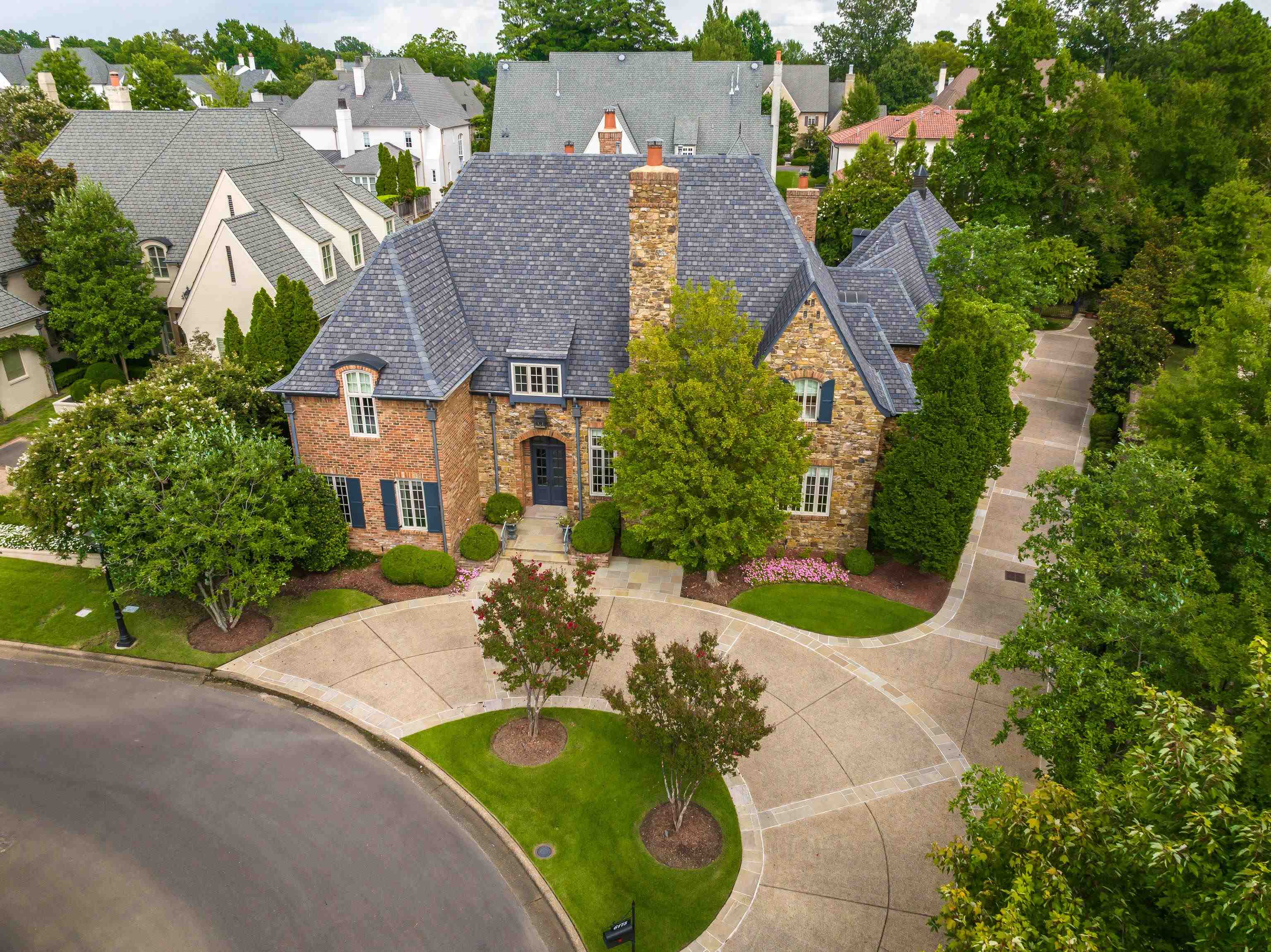
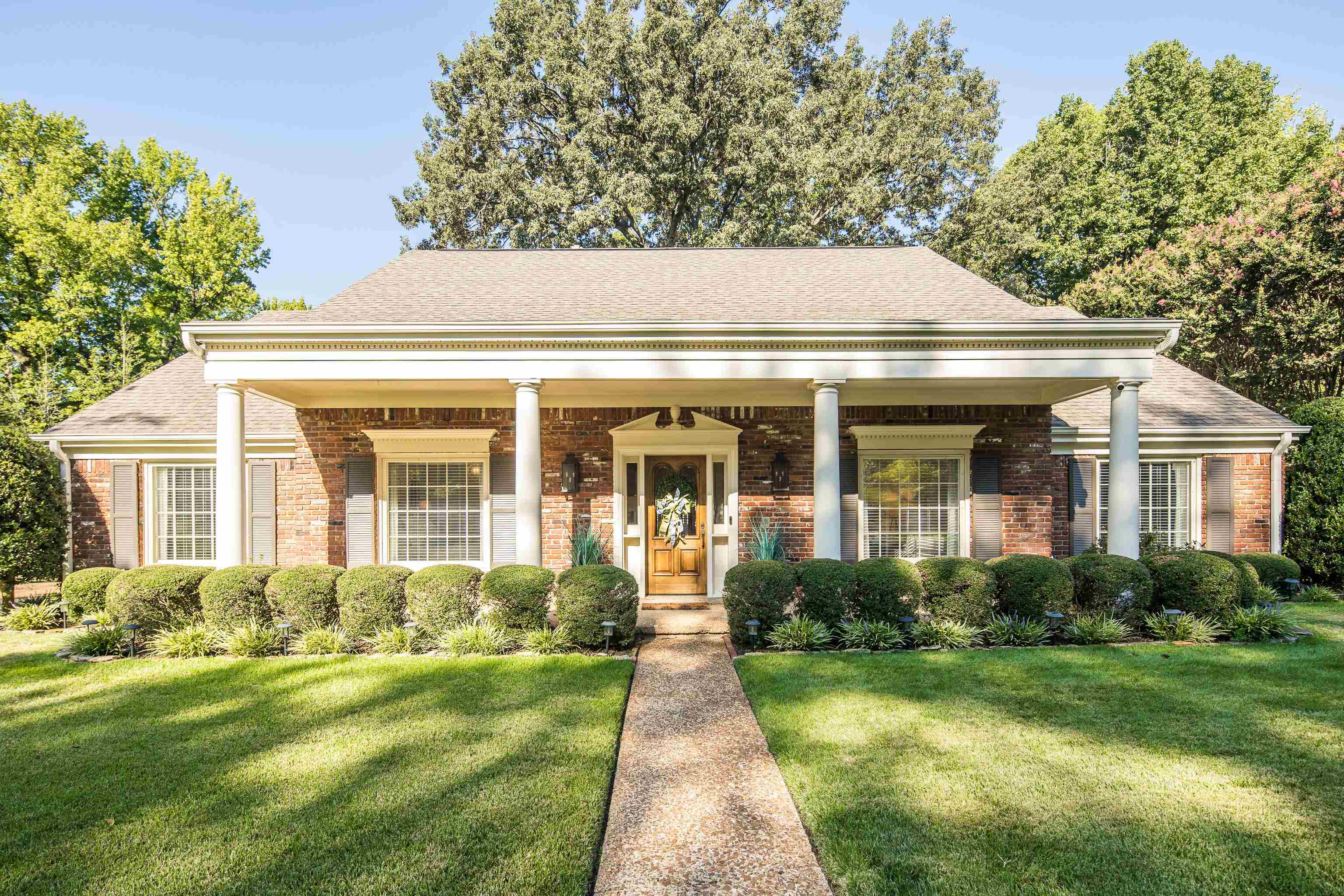
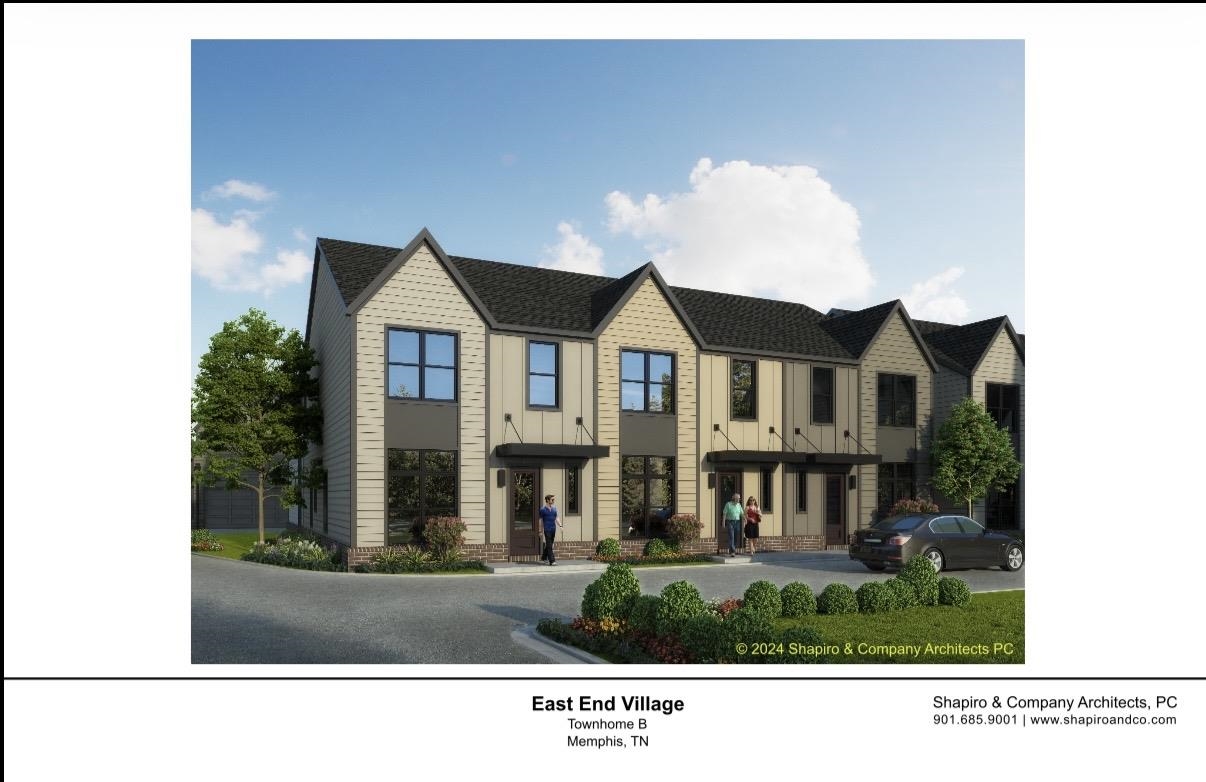
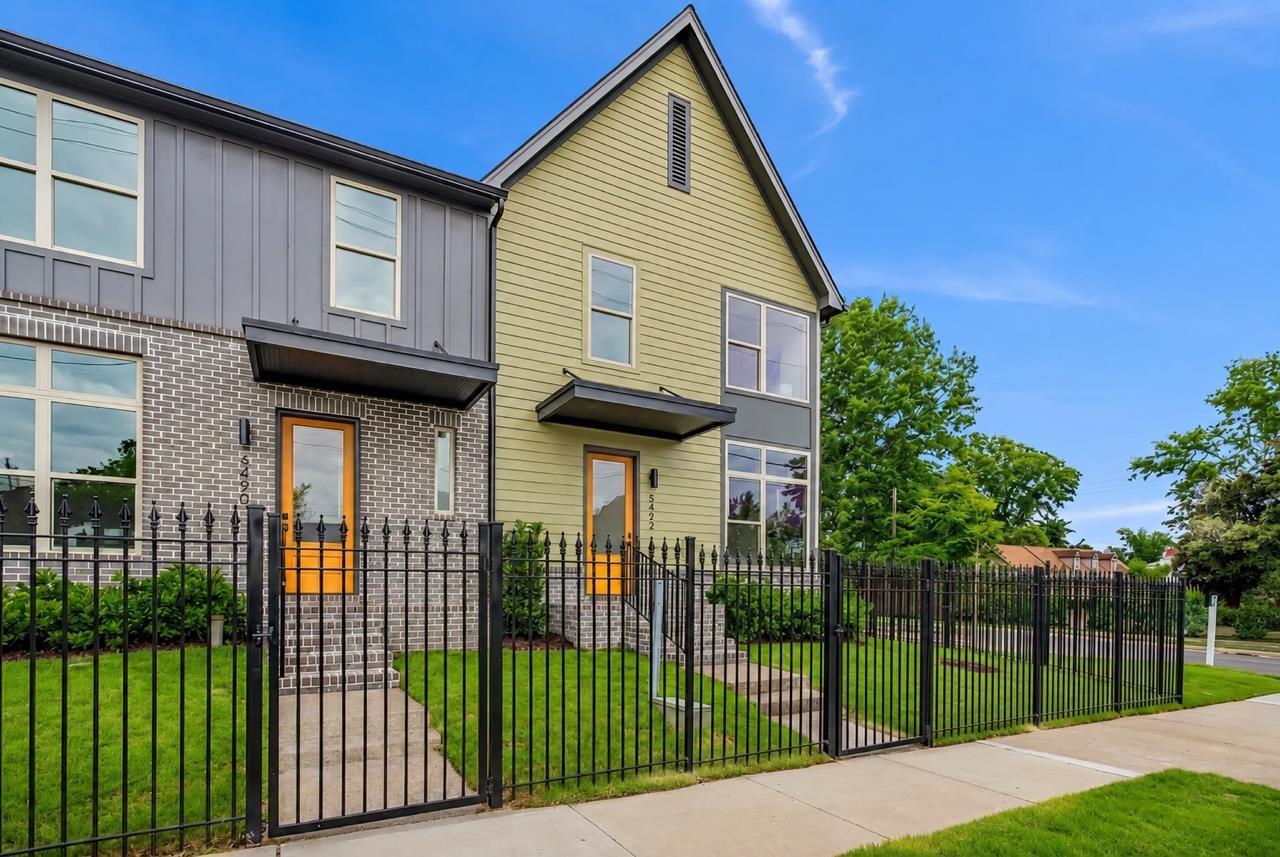
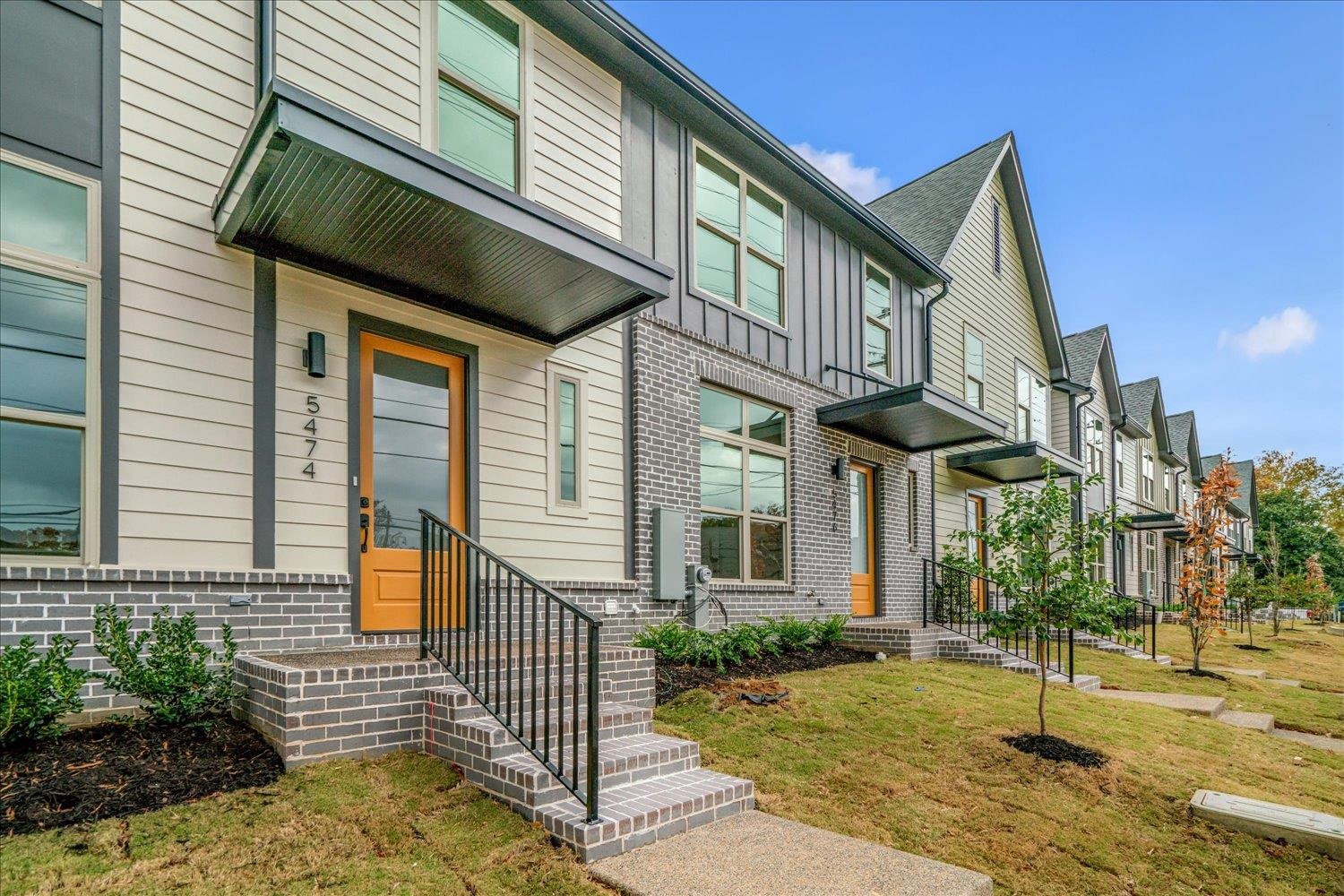
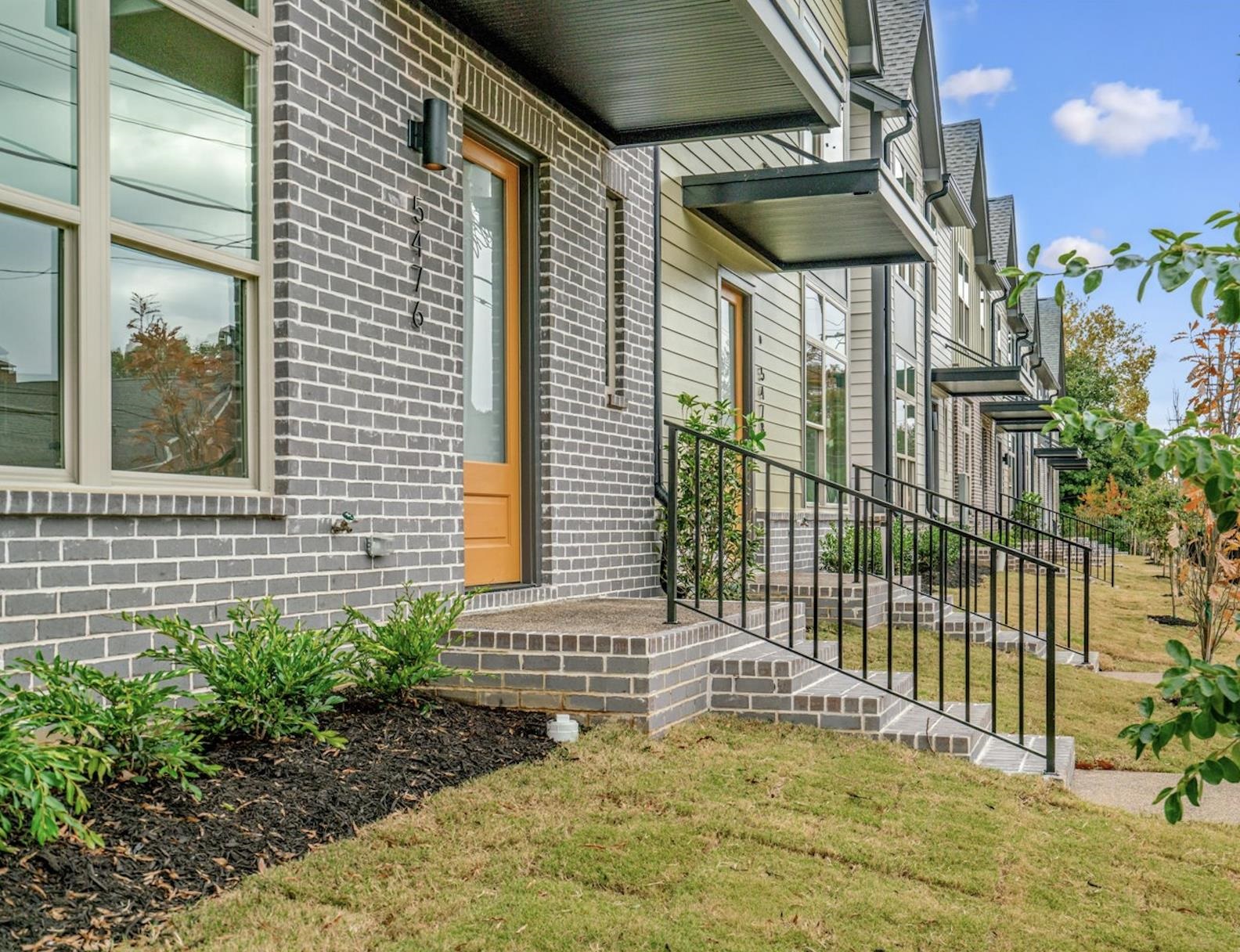
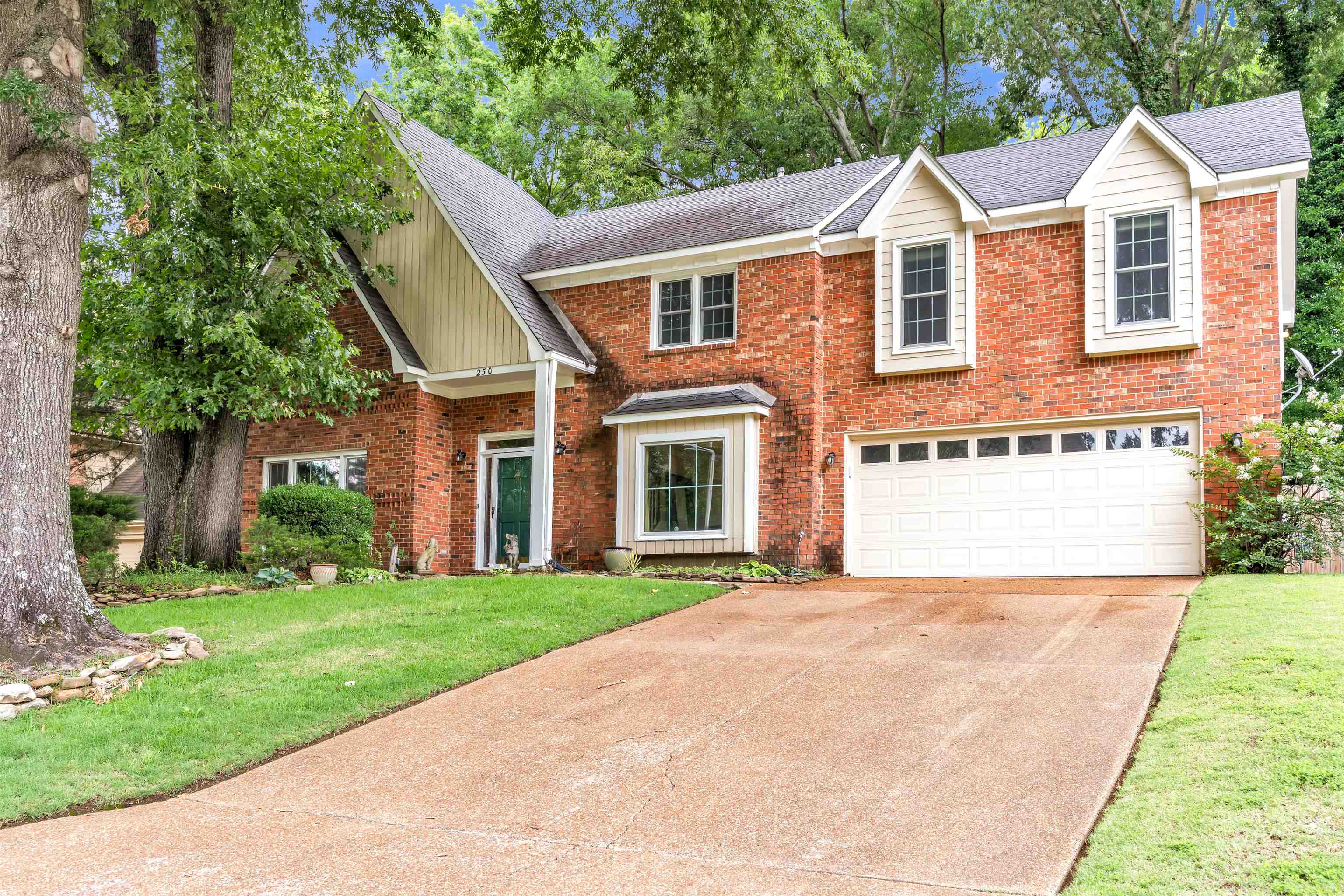
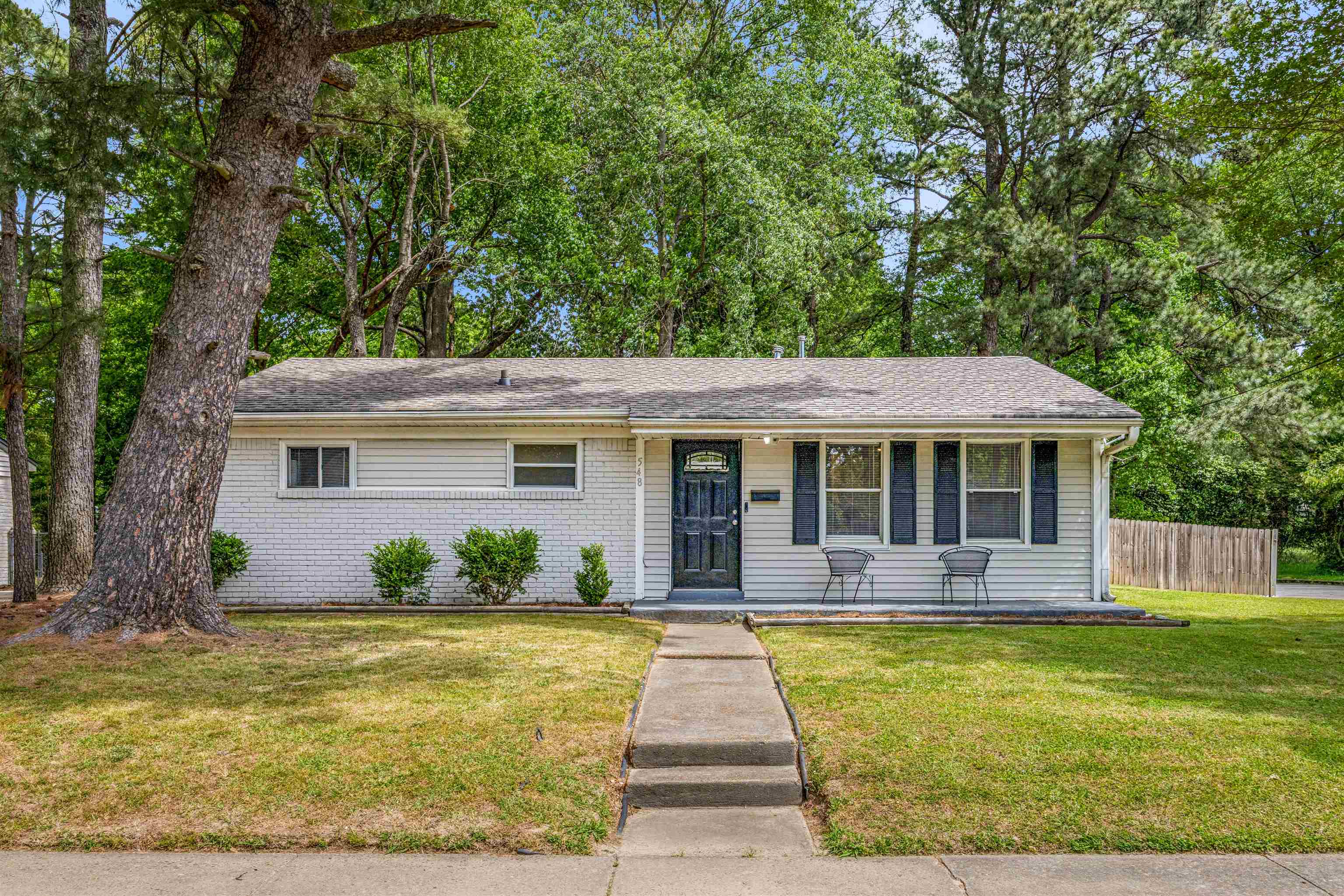
BROWSE PRIME MEMPHIS, TN REAL ESTATE OPTIONS AND HOMES IN THE AREA.
Memphis, TN Housing Market Stats
The Memphis housing market is experiencing a significant transition toward a much more balanced environment, heavily favoring buyers compared to previous years. Active inventory has surged by roughly 30% year-over-year, reaching a 12-year high in overall supply. While the median sale price hovers around $210,000—marking a modest appreciation from last year—the flood of new listings has outpaced buyer demand. This massive injection of inventory means buyers finally have options, pulling the market away from the frantic, low-supply cycles of the past and forcing sellers to be far more realistic with their expectations.
Competitiveness in Memphis is currently "micro-market" dependent and generally characterized as moderate. On average, homes are sitting on the market longer (averaging 46 to 64 days depending on the specific neighborhood) and the typical sale-to-list ratio rests at 95.7%, meaning most buyers successfully negotiate prices below the asking amount. However, highly desirable pockets like Midtown and East Memphis, as well as suburban school zones like Germantown and Bartlett, remain fiercely competitive. Move-in-ready homes in these sectors still attract quick attention, while properties that require substantial renovations or are initially overpriced face steep price reductions and extended vacancies.
For investors and out-of-state buyers, Memphis continues to cement its reputation as an affordable "refuge market" compared to higher-cost national hubs, particularly within the $60,000 to $150,000 investment range. Furthermore, major urban revitalization projects—such as the massive "Neural Nexus" mixed-use innovation district downtown and the redevelopment of the Oak Court Mall in East Memphis—are introducing new multifamily housing and commercial infrastructure. This long-term commercial momentum is expected to steadily support local property values and maintain healthy rental demand across the metro area.
Contact us today for expert local advice, private tours, and guidance tailored to your goals. Whether you're navigating your first home purchase or upgrading to your ideal Memphis property, we’ll help you move with confidence in one of Tennessee’s most competitive markets.
The Memphis housing market is currently experiencing a transition toward a much more balanced environment that increasingly favors buyers. Active inventory has risen sharply, pulling the market away from the frantic, low-supply cycles of the past and giving buyers more breathing room to tour homes and negotiate. While high-demand neighborhoods still lean slightly toward sellers, buyers overall face fewer multiple-offer standoffs and enjoy more leverage than they have in years.
Buyers in Memphis currently hold notable negotiation leverage, as evidenced by the city's average sale-to-list price ratio of 95.7%. Because active inventory has reached multi-year highs and properties are staying on the market longer—averaging 46 days—sellers are becoming much more realistic with their pricing. Roughly 37% of active listings have featured price drops, meaning well-positioned buyers can comfortably negotiate numbers below the initial asking price or ask for closing cost credits.
Real estate demand in Memphis is highly neighborhood-specific, concentrating heavily around areas with top-rated school districts, historic character, or easy commutes. In-town neighborhoods like Midtown and East Memphis remain consistently popular for their cultural character and established resale value. Meanwhile, eastern suburbs such as Germantown, Collierville, Bartlett, and Arlington continue to draw intense interest from families prioritizing top-tier local public schools and newer construction options.
Memphis has long been recognized as an affordable "refuge market" because its median home sale price sits around $210,000, which is dramatically lower than the national average. This lower barrier to entry is paired with exceptionally strong rental demand and healthy rent-to-value ratios, allowing investors to secure strong monthly cash flow. Even during broader national economic shifts, the Memphis market has historically demonstrated less volatility and steadier property value retention than higher-priced coastal metros.
When purchasing a home in the Memphis area, buyers must be diligent about checking for localized flooding, foundation issues, and termites. Because of the region's proximity to the Mississippi River and its network of alluvial tributaries, roughly 8% of local properties face moderate to severe flood risks, making a floodplain check essential. Additionally, the region's expansive clay soil can cause foundation shifts over time, making a comprehensive structural and wood-destroying insect inspection a vital step before closing.
Property taxes vary significantly depending on the exact municipality you choose, directly impacting your monthly mortgage payment and overall borrowing power. Properties located within Memphis city limits carry both a Shelby County tax and a city tax, making them subject to the highest combined rates in the metro area. Conversely, moving out to surrounding suburbs like Arlington, Bartlett, or Collierville can visibly lower your annual tax burden, allowing you to allocate more of your budget toward the actual purchase price of the home.
Have questions about buying a home in Memphis, TN, or ready to start your search? We're here to help every step of the way. Reach out today and let's connect you with the right property and the answers you need to move forward with confidence.
From the historic charm of Midtown to the family-friendly streets of East Memphis and the vibrant energy of Downtown, Memphis, TN offers a neighborhood for every lifestyle. Explore our neighborhood guide to get to know the areas that make this city special—and find the perfect place to call home.