By Myers Cobb Realtors®
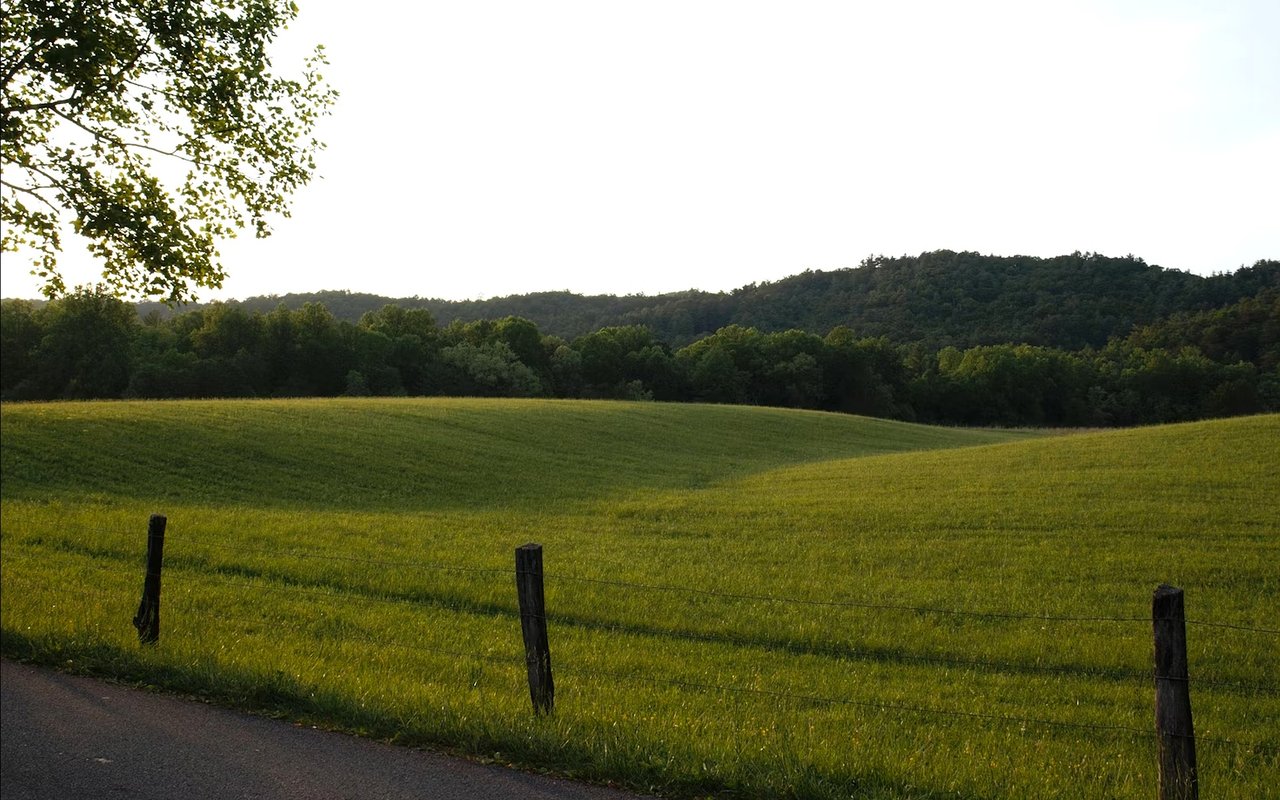
Shelby County, Tennessee, has long been known for its vibrant urban core and polished suburban communities, but there is another side to this region entirely. Rolling parcels, wooded tracts, and open acreage sit within reach of established areas like Collierville, Lakeland, and Germantown, making Shelby County a compelling destination for buyers who want space, serenity, and the freedom to build something on their own terms.
Whether you are envisioning a recreational retreat, an equestrian property, a hobby farm, or simply a quiet stretch of land to hold as an investment, the path to purchasing acreage here looks quite different from buying a traditional home.
Land transactions come with their own set of due diligence requirements, financing considerations, and operational nuances. A parcel that looks ideal on paper or perfect on a map can have restrictions, access complexities, or infrastructure limitations that only surface once you dig into the details. That is why understanding what to look for, what to ask, and what to verify before making an offer is so important. The good news is that Shelby County offers genuine variety when it comes to land, and buyers who come well-prepared tend to find opportunities that align closely with what they are looking for.
This guide will walk you through the key considerations for buying acreage or recreational land in Shelby County so that you can move forward with clarity and confidence.
Key Takeaways
- Zoning and land use regulations in Shelby County vary by location, and understanding them upfront helps you avoid purchasing land that cannot be used the way you intend.
- Access, utilities, and infrastructure should be investigated thoroughly before closing.
- Financing for raw land is different from traditional mortgage lending and typically requires a larger down payment and a shorter loan term.
- Soil quality, drainage, and environmental factors all affect what a parcel can support, from a private residence to agricultural use.
- Buyers searching in Shelby County will find a range of acreage options at different price points and with varying development potential.
Understanding Zoning and Land Use in Shelby County
Zoning is the starting point for any land purchase, and in Shelby County, it can be more layered than buyers expect. The county is governed by a combination of municipal zoning codes and unincorporated county regulations, and the rules that apply to a parcel depend heavily on where it sits. A property just outside Collierville, for example, may fall under different land use guidelines than a parcel in a more rural stretch of the county's eastern edge.
Before you make an offer, it is essential to confirm what the land is currently zoned for and what uses are permitted by right versus what would require a variance or rezoning application. Agricultural zoning is common on acreage and may come with restrictions on subdivision, commercial use, or certain types of construction. If you plan to build a primary residence, a barn, or any other structure on the land, you need to verify that the zoning allows it and how long the approval process may take.
It is also worth reviewing whether any portion of a parcel sits within a flood zone, a conservation easement, or any kind of overlay district. These designations can restrict how the land is developed or used.
Before you make an offer, it is essential to confirm what the land is currently zoned for and what uses are permitted by right versus what would require a variance or rezoning application. Agricultural zoning is common on acreage and may come with restrictions on subdivision, commercial use, or certain types of construction. If you plan to build a primary residence, a barn, or any other structure on the land, you need to verify that the zoning allows it and how long the approval process may take.
It is also worth reviewing whether any portion of a parcel sits within a flood zone, a conservation easement, or any kind of overlay district. These designations can restrict how the land is developed or used.
What To Verify Before Making an Offer
- Current zoning classification and permitted uses under Shelby County or municipal code.
- Whether a variance, special use permit, or rezoning would be required for your intended purpose.
- The presence of any easements, including utility, ingress/egress, or conservation easements recorded on the deed.
- FEMA flood zone designation for the parcel, particularly on lower-lying acreage near creeks or drainage corridors.
- Any deed restrictions or covenants attached to the property from previous ownership or subdivision plats.
Access, Utilities, and Infrastructure
Unlike a residential purchase, where the utilities are already connected and road access is typically straightforward, raw land often requires you to establish those basics from scratch. In Shelby County, infrastructure availability varies widely depending on proximity to established communities.
Some parcels of land tend to have better access to municipal water and sewer lines, or at least the realistic possibility of connecting to them. However, in the more rural areas of the county, you are more likely to be looking at a well and septic system. Both are perfectly viable options, but the costs of installation and the feasibility of drilling a well or placing a septic system on a given piece of ground depend on the specific site conditions. A perc test, which evaluates whether the soil can support a septic system, should be completed before you finalize a purchase.
Road access is equally important. Some rural parcels are accessed by a shared or private road rather than a public street, and in those cases, you need a recorded easement that gives you legal access to the land. A parcel that is physically accessible today but lacks a recorded easement could create legal complications down the road.
Some parcels of land tend to have better access to municipal water and sewer lines, or at least the realistic possibility of connecting to them. However, in the more rural areas of the county, you are more likely to be looking at a well and septic system. Both are perfectly viable options, but the costs of installation and the feasibility of drilling a well or placing a septic system on a given piece of ground depend on the specific site conditions. A perc test, which evaluates whether the soil can support a septic system, should be completed before you finalize a purchase.
Road access is equally important. Some rural parcels are accessed by a shared or private road rather than a public street, and in those cases, you need a recorded easement that gives you legal access to the land. A parcel that is physically accessible today but lacks a recorded easement could create legal complications down the road.
Infrastructure Questions To Ask About the Parcel
- Is the property served by public water and sewer, or will a well and septic system be required?
- Does the parcel have frontage on a public road, or is access via a private drive or easement?
- If access is via easement, is that easement recorded, and does it run with the land?
- Are there overhead or underground utility lines crossing the property, and if so, how do they affect the buildable area?
- What is the approximate cost to bring electricity to the parcel if it is not currently served?
Soil Quality, Drainage, and Environmental Factors
The physical characteristics of a parcel matter enormously and go well beyond what you can evaluate with a visual inspection. For recreational land, you may be thinking about timber quality, wildlife habitat, or the condition of any water features on the property. For agricultural use, soil composition determines what the land can productively support.
For any type of construction, drainage patterns and soil stability directly affect what can be built and where. A soil survey from the USDA Web Soil Survey tool is a free and useful starting point, though a site-specific evaluation by a soil scientist or agricultural extension specialist is typically worth the investment.
Environmental due diligence is also worth considering, particularly on land with any prior agricultural, industrial, or commercial history. A Phase I Environmental Site Assessment can identify potential contamination issues.
For any type of construction, drainage patterns and soil stability directly affect what can be built and where. A soil survey from the USDA Web Soil Survey tool is a free and useful starting point, though a site-specific evaluation by a soil scientist or agricultural extension specialist is typically worth the investment.
Environmental due diligence is also worth considering, particularly on land with any prior agricultural, industrial, or commercial history. A Phase I Environmental Site Assessment can identify potential contamination issues.
Site Evaluation Factors To Investigate
- Soil type and composition, particularly if you plan to farm, build, or install a septic system.
- Drainage patterns and whether any portion of the parcel is prone to standing water after heavy rain.
- The presence and condition of any ponds, creeks, wetlands, or wooded areas and how they factor into your intended use.
- Prior land use history, including any agricultural chemical applications, old structures, or buried debris.
- Timber quality and quantity, if the land has merchantable timber that adds to the overall value.
FAQs
Can I Build a Home on Agricultural Land in Shelby County?
In many cases, yes, but it depends on the specific zoning classification and the applicable regulations. Agricultural zoning often permits a primary residence, but you should verify this with the Shelby County Land Use office or the applicable municipality. Some agricultural designations also restrict the number of structures or require a minimum acreage threshold for a dwelling to be permitted.
How Do I Find Out If a Parcel Has Wetlands?
The U.S. Fish and Wildlife Service's National Wetlands Inventory mapper is a publicly available tool that gives a general indication of wetland areas, but it is not definitive. A wetland delineation performed by a qualified environmental consultant is the most reliable way to identify whether wetlands are present on a specific parcel and how they may affect your development plans.
What Should I Look for When Walking a Land Parcel for the First Time?
Walk the boundaries if possible and look for markers or monuments that correspond to the legal description and survey. Pay attention to drainage patterns, any structures or debris on the property, access points, neighboring land uses, and any visible utility infrastructure. Note whether the terrain would support your intended use and whether there are any obvious encroachments from neighboring properties. A formal survey and a professional inspection are recommended before closing, regardless of what your walkthrough reveals.
Your Shelby County Land Search Starts Here
Buying acreage or recreational land in Shelby County is one of the more rewarding real estate decisions you can make, but it rewards the buyers who do their homework. From zoning and access to financing and environmental due diligence, there are more variables involved in a land transaction than most buyers anticipate.
Our team at Myers Cobb Realtors® has extensive experience working with land and acreage buyers across the Greater Memphis area. We understand the nuances of rural and recreational property transactions, and we are here to guide you through every step of the process, from identifying the right parcel to navigating due diligence and negotiating the best possible terms. Reach out to us today to start the conversation.
Our team at Myers Cobb Realtors® has extensive experience working with land and acreage buyers across the Greater Memphis area. We understand the nuances of rural and recreational property transactions, and we are here to guide you through every step of the process, from identifying the right parcel to navigating due diligence and negotiating the best possible terms. Reach out to us today to start the conversation.