By Myers Cobb Realtors®
If you own a home in Germantown, you already know that Memphis-area summers can push your air conditioning to its limits and winter mornings can leave you reaching for the thermostat before you've even had your coffee. Between the heat, the humidity, and the occasional cold snap, keeping your home comfortable year-round while managing your utility bills is something every homeowner in this community thinks about at some point.
The good news is that making your Germantown home more energy efficient does not require a complete renovation or a massive budget. Many of the most effective upgrades are practical, affordable, and can be tackled in phases as your priorities and finances allow. Small changes can add up to real savings and a more comfortable living space.
In this guide, we will walk you through the most impactful ways to improve your home's energy efficiency, from insulation and windows to smart appliances and landscaping choices suited to our regional climate. These are practical steps you can start applying today.
Key Takeaways
- Your attic insulation and air sealing often deliver the fastest return on investment.
- Upgrading windows and doors reduces energy loss and improves comfort in every season.
- A well-maintained HVAC system is one of the biggest factors in your home's overall efficiency.
- Smart thermostats and energy monitoring tools help you make informed daily decisions.
- Landscaping and shade strategies can meaningfully reduce your cooling costs in our climate.
Start With Insulation and Air Sealing
Before you invest in new appliances or major systems, it is worth taking a close look at your home's insulation and how well it is sealed against air leaks. In many Germantown homes, especially those built a few decades ago, insulation levels in the attic and around exterior walls may no longer meet current efficiency standards. Heat naturally moves toward cooler areas, so during our hot summer months, poorly insulated attics allow heat to seep into your living space, forcing your air conditioning to work harder than it should.
Air sealing works hand-in-hand with insulation. Small gaps around windows, doors, electrical outlets, and where pipes enter your home can add up to a significant amount of conditioned air escaping your house. Addressing these gaps is often one of the most cost-effective upgrades you can make, since the materials are inexpensive and the labor is usually straightforward for a qualified contractor to complete in a day or two.
Once insulation and sealing are addressed, many homeowners notice an immediate difference in how evenly their home holds temperature from room to room. Upstairs bedrooms that used to run warmer in summer or cooler in winter often even out, and your HVAC system will not need to run as frequently to maintain your desired temperature.
Air sealing works hand-in-hand with insulation. Small gaps around windows, doors, electrical outlets, and where pipes enter your home can add up to a significant amount of conditioned air escaping your house. Addressing these gaps is often one of the most cost-effective upgrades you can make, since the materials are inexpensive and the labor is usually straightforward for a qualified contractor to complete in a day or two.
Once insulation and sealing are addressed, many homeowners notice an immediate difference in how evenly their home holds temperature from room to room. Upstairs bedrooms that used to run warmer in summer or cooler in winter often even out, and your HVAC system will not need to run as frequently to maintain your desired temperature.
Where To Focus Your Insulation Efforts
- Check attic insulation depth and add more if levels have settled or compressed over time.
- Seal gaps around window and door frames, including where trim meets the wall.
- Inspect and seal areas where plumbing, wiring, or ductwork penetrates exterior walls.
- Add weatherstripping to exterior doors, including your garage entry door.
- Consider insulating your garage if it is attached, since this affects the adjacent living space.
Upgrade Windows and Doors Thoughtfully
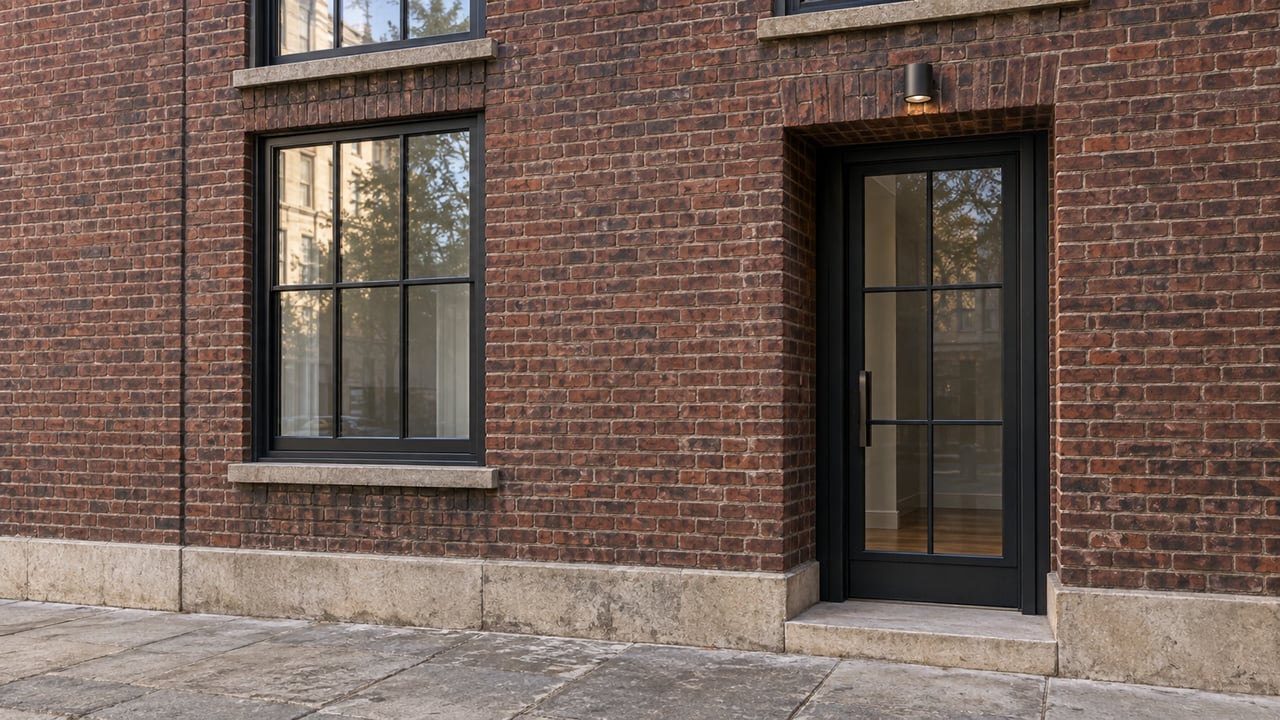
Windows and doors play a major role in how much energy your home uses to stay comfortable. If your Germantown home still has original single-pane windows or older double-pane units, you are likely losing conditioned air through the glass and frames, particularly during the peak of summer heat or a January cold front. Modern energy-efficient windows use multiple panes, low-emissivity coatings, and improved framing materials to keep outside temperatures from affecting your indoor comfort.
When considering a window upgrade, it helps to think about orientation. Windows facing west and south tend to receive the most direct sun exposure throughout the day, which means they contribute more to cooling costs during the summer. Prioritizing these windows first, if you are upgrading in phases, can offer noticeable results before you tackle the rest of the house.
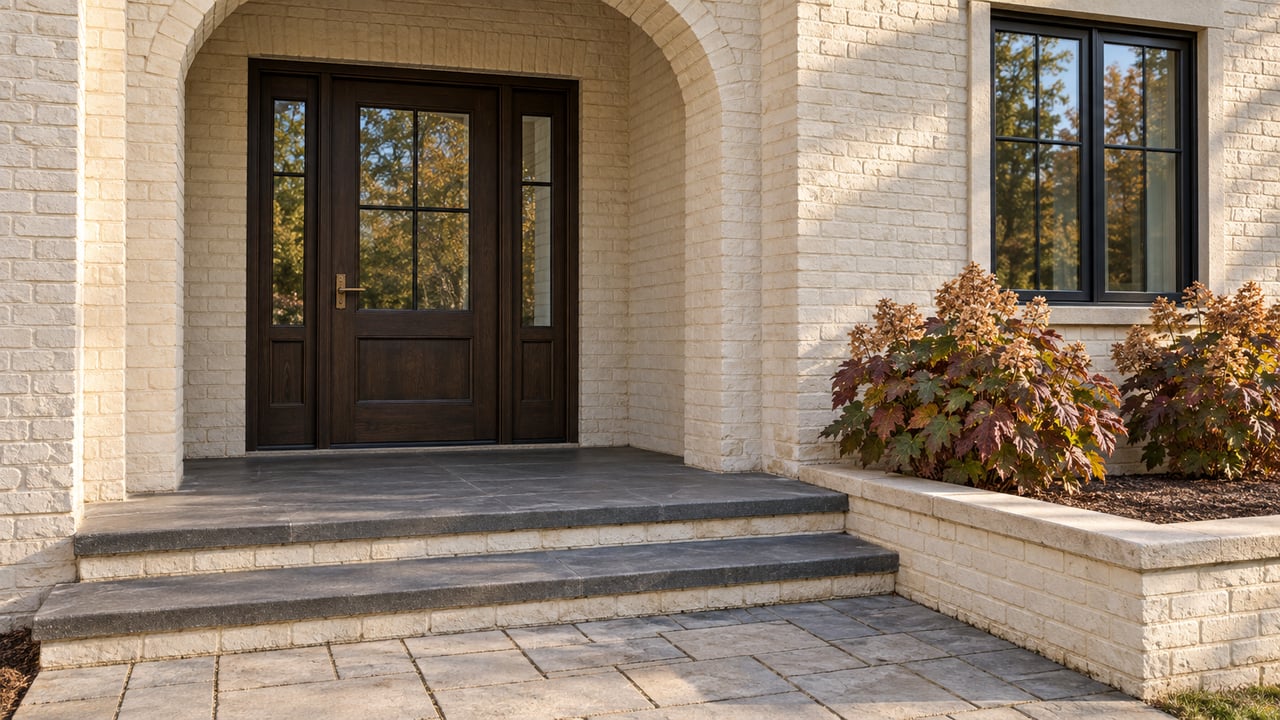
Exterior doors deserve the same attention. An older door without proper weatherstripping or insulation can be a surprisingly large source of energy loss. Fiberglass and insulated steel doors are popular choices for homeowners looking to improve efficiency, since, in addition to their energy performance, they tend to hold up well against our regional humidity and temperature swings.
When considering a window upgrade, it helps to think about orientation. Windows facing west and south tend to receive the most direct sun exposure throughout the day, which means they contribute more to cooling costs during the summer. Prioritizing these windows first, if you are upgrading in phases, can offer noticeable results before you tackle the rest of the house.
Exterior doors deserve the same attention. An older door without proper weatherstripping or insulation can be a surprisingly large source of energy loss. Fiberglass and insulated steel doors are popular choices for homeowners looking to improve efficiency, since, in addition to their energy performance, they tend to hold up well against our regional humidity and temperature swings.
What To Look For In New Windows And Doors
- Look for an Energy Star rating appropriate for our regional climate zone.
- Check the U-factor rating, since a lower number indicates better insulation.
- Choose low-emissivity glass coatings to reduce heat transfer.
- Confirm proper installation and sealing, since even a great product underperforms if installed poorly.
- Ask about warranty coverage for both the materials and the installation labor.
Maintain and Modernize Your HVAC System
Your heating and cooling system is one of the most notable energy consumers in your home, so keeping it running efficiently has an outsized effect on your utility bills. Regular maintenance, including changing the filters on schedule and scheduling annual professional tune-ups, ensures that your system is not working harder than necessary to move air through your home. A dirty filter or a unit low on refrigerant can quietly increase your energy usage for months before you notice a problem.
If your HVAC system is more than twelve to fifteen years old, it may be worth having a professional assess whether a replacement would pay for itself in energy savings. Newer systems, including variable-speed units and high-efficiency heat pumps, are designed to run more consistently rather than cycling on and off at full power, which reduces both energy use and wear on the equipment.
Ductwork matters just as much as the unit itself. Leaky or poorly insulated ducts, especially those running through an attic or crawl space, can lose a substantial amount of conditioned air before it ever reaches your living space. Having your ductwork inspected and sealed, including in older homes throughout Germantown, is a step that is often overlooked but can meaningfully improve your system's overall performance.
If your HVAC system is more than twelve to fifteen years old, it may be worth having a professional assess whether a replacement would pay for itself in energy savings. Newer systems, including variable-speed units and high-efficiency heat pumps, are designed to run more consistently rather than cycling on and off at full power, which reduces both energy use and wear on the equipment.
Ductwork matters just as much as the unit itself. Leaky or poorly insulated ducts, especially those running through an attic or crawl space, can lose a substantial amount of conditioned air before it ever reaches your living space. Having your ductwork inspected and sealed, including in older homes throughout Germantown, is a step that is often overlooked but can meaningfully improve your system's overall performance.
How To Keep Your HVAC System Running Efficiently
- Replace the air filters every one to three months, depending on usage and household needs.
- Schedule professional maintenance twice a year, ideally before summer and winter.
- Have the ductwork inspected for leaks so that conditioned air reaches its intended rooms.
- Consider a variable-speed or high-efficiency system if your current unit is aging.
- Keep outdoor units clear of debris so that airflow around the equipment is not restricted.
Embrace Smart Technology and Efficient Appliances
Beyond insulation and HVAC upgrades, smart home technology gives you more control over your daily energy use than ever before. A smart thermostat, for example, learns your household's schedule and adjusts temperatures automatically so that you are not cooling or heating an empty house during the workday. Many models also provide detailed usage reports, which can help you identify patterns and adjust habits accordingly.
Appliances represent another meaningful opportunity for savings. Older refrigerators, washing machines, and water heaters tend to use significantly more energy than their modern, Energy Star-certified counterparts. When it comes time to replace an appliance, choosing an efficient model is one of the easier upgrades to make, since it typically fits into your existing routine without any lifestyle adjustment required.
Water heating, in particular, is worth a closer look. Tankless water heaters, which heat water on demand rather than maintaining a large tank at a consistent temperature around the clock, can offer real savings for many households, including those with fluctuating hot water needs throughout the day.
Appliances represent another meaningful opportunity for savings. Older refrigerators, washing machines, and water heaters tend to use significantly more energy than their modern, Energy Star-certified counterparts. When it comes time to replace an appliance, choosing an efficient model is one of the easier upgrades to make, since it typically fits into your existing routine without any lifestyle adjustment required.
Water heating, in particular, is worth a closer look. Tankless water heaters, which heat water on demand rather than maintaining a large tank at a consistent temperature around the clock, can offer real savings for many households, including those with fluctuating hot water needs throughout the day.
Smart Upgrades Worth Considering
- Install a programmable or smart thermostat to automate temperature adjustments.
- Replace aging appliances with Energy Star-certified models when they need replacing.
- Consider a tankless or hybrid water heater to reduce standby energy loss.
- Use LED lighting throughout your home to lower electricity use.
- Monitor your energy usage through your utility provider's app or a home energy monitor.
Use Landscaping to Support Your Home's Efficiency
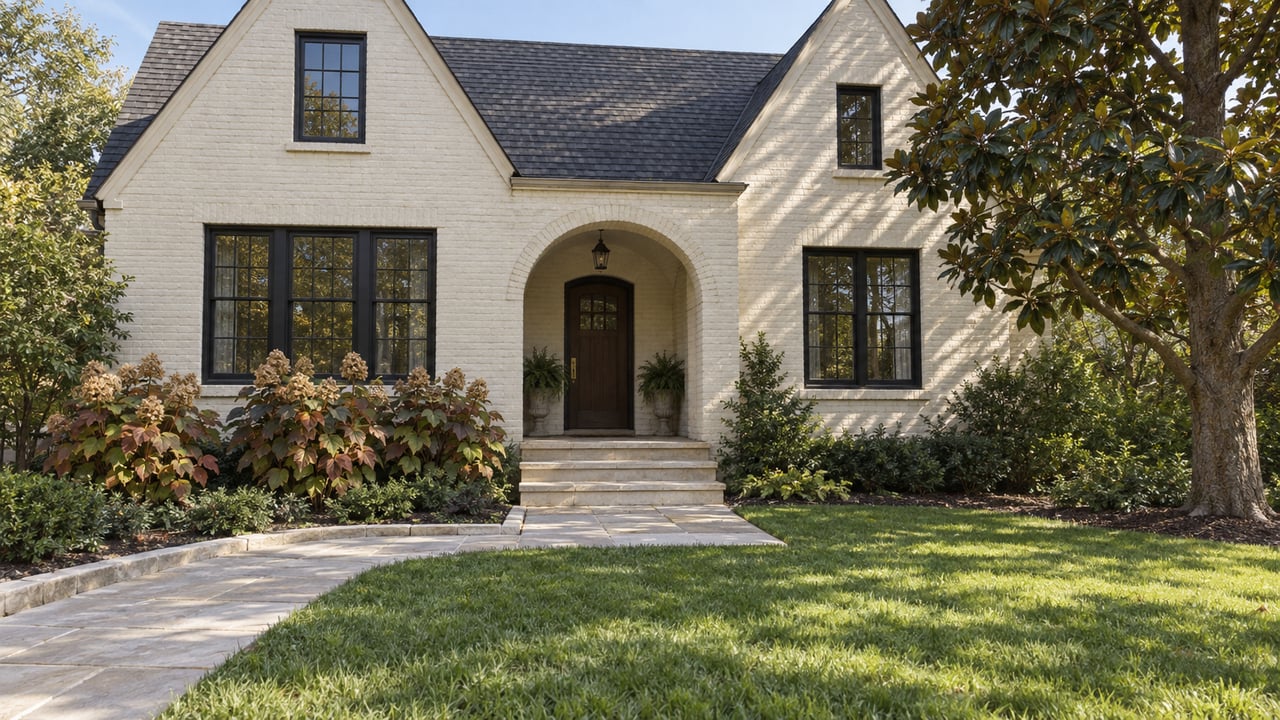
Landscaping might not be the first thing that comes to mind when you think about energy efficiency, but it plays a real role in how hard your home has to work to stay comfortable. Strategically placed trees, particularly on the western and southern sides of your property, can provide shade that reduces direct sun exposure on your home's exterior and windows during the hottest parts of the day. Over time, mature shade trees can noticeably lower the temperature immediately around your house.
Beyond shade, landscaping choices affect airflow and moisture around your foundation and exterior walls. Proper grading and drainage keep excess moisture away from your home, which supports the long-term performance of your insulation and building materials. Native and regionally appropriate plants also tend to require less water and maintenance, which is a practical benefit for busy households.
Even something as simple as a well-placed trellis with climbing vines on a sun-exposed wall can offer a natural buffer against heat gain. These landscaping strategies work alongside your home's structural upgrades so that your efficiency improvements are supported from every angle, inside and out.
Beyond shade, landscaping choices affect airflow and moisture around your foundation and exterior walls. Proper grading and drainage keep excess moisture away from your home, which supports the long-term performance of your insulation and building materials. Native and regionally appropriate plants also tend to require less water and maintenance, which is a practical benefit for busy households.
Even something as simple as a well-placed trellis with climbing vines on a sun-exposed wall can offer a natural buffer against heat gain. These landscaping strategies work alongside your home's structural upgrades so that your efficiency improvements are supported from every angle, inside and out.
Landscaping Choices That Support Efficiency
- Plant shade trees on the western and southern exposures of your property.
- Choose regionally appropriate plants that require less water, once established.
- Maintain proper grading so that water drains away from your foundation.
- Use mulch in garden beds to help retain soil moisture and reduce evaporation.
- Consider a trellis or vine coverage on sun-exposed exterior walls.
FAQs
What Is The Most Cost-Effective Energy Efficiency Upgrade For A Germantown Home?
Attic insulation and air sealing typically offer the best return on investment for most homeowners in our area. These upgrades are relatively affordable, can often be completed quickly, and directly address one of the largest sources of energy loss in homes throughout our climate zone.
How Often Should I Have My HVAC System Serviced?
We generally recommend professional maintenance twice a year, once before the summer cooling season begins and once before the winter heating season starts. Regular filter changes in between visits also help keep your system running efficiently throughout the year.
Do Energy-Efficient Windows Really Make A Noticeable Difference?
Yes, particularly if your current windows are original to an older home or single-paned. Upgraded windows with modern coatings and better framing can reduce drafts, improve temperature consistency between rooms, and lower the workload on your HVAC system throughout the year.
Is It Worth Replacing Appliances Before They Break?
It depends on the age and efficiency of your current appliances. If a refrigerator or water heater is more than ten to fifteen years old, replacing it with an Energy Star-certified model can offer noticeable savings so that you are not waiting for a breakdown to make the switch.
Can Landscaping Really Affect My Energy Bills?
Yes, strategic landscaping can make a meaningful difference. Shade trees placed on sun-exposed sides of your home reduce heat gain during our warmest months, which can lower the demand on your cooling system and contribute to a more comfortable indoor environment.
Building A More Efficient Home for the Long Run
Improving your home's energy efficiency is not something that has to happen all at once. Many of the homeowners in Germantown start with one or two projects, such as sealing attic gaps or upgrading a set of windows, and build from there as budget and priorities allow. Each improvement compounds on the last, creating a home that is more comfortable, more consistent, and less costly to maintain throughout the year.
As you think through which upgrades make the most sense for your home and your goals, we are here to help you weigh the options if you are preparing to sell. When you are ready to talk through energy efficiency improvements, home value considerations, or your next move in the Greater Memphis area, reach out to our team at Myers Cobb Realtors®. We would love to help you make the most of your home, today and in the years ahead.
As you think through which upgrades make the most sense for your home and your goals, we are here to help you weigh the options if you are preparing to sell. When you are ready to talk through energy efficiency improvements, home value considerations, or your next move in the Greater Memphis area, reach out to our team at Myers Cobb Realtors®. We would love to help you make the most of your home, today and in the years ahead.