By Myers Cobb Realtors®
There is something deeply rewarding about a space that tells a story. Cabins near Memphis occupy a unique design territory, where the raw beauty of the Mississippi Delta landscape meets the warmth and character of well-worn interiors. Whether you own a weekend retreat near the river, a lakeside cabin, or a rural property tucked into the rolling terrain, the way you design your interior shapes every moment you spend there.
Rustic cabin design is a carefully considered approach to material, texture, light, and lived-in comfort that creates spaces people genuinely want to return to. The best rustic interiors near Memphis draw on the region's own palette: the warm amber of cypress wood, the deep green of river bottoms, or the muted clay tones of Delta soil. When done well, it feels authentic and refined.
This guide will cover the essential interior design principles for rustic cabins in the Memphis region, from structural material choices to the finishing details that make a space feel complete. Whether you are building from scratch, renovating an older cabin, or simply refreshing the look of an existing retreat, these tips will help you get it right.
Key Takeaways
- Natural materials like reclaimed wood, stone, and linen are the foundation of a successful rustic cabin interior.
- Layered lighting creates warmth and flexibility for different purposes and times of day.
- Color palettes drawn from the surrounding landscape keep the space feeling grounded and cohesive.
- Furniture should prioritize comfort and durability without sacrificing visual interest.
- Small details like hardware, textiles, and greenery tie a rustic interior together and give it life.
Start With the Right Materials
Every compelling rustic cabin interior begins with material decisions. The surfaces you choose set the tone for everything else, so it is worth thinking through these choices carefully before moving on to furniture or decor.
Wood is the obvious starting point. For cabins near Memphis, cypress and cedar are particularly fitting choices given their prevalence in the region and their natural resistance to humidity. Reclaimed barn wood is another excellent option, bringing instant warmth and texture without the manufactured look of new-construction materials. You can use these on flooring, ceiling beams, accent walls, or custom built-ins, and each application adds a different layer of visual depth.
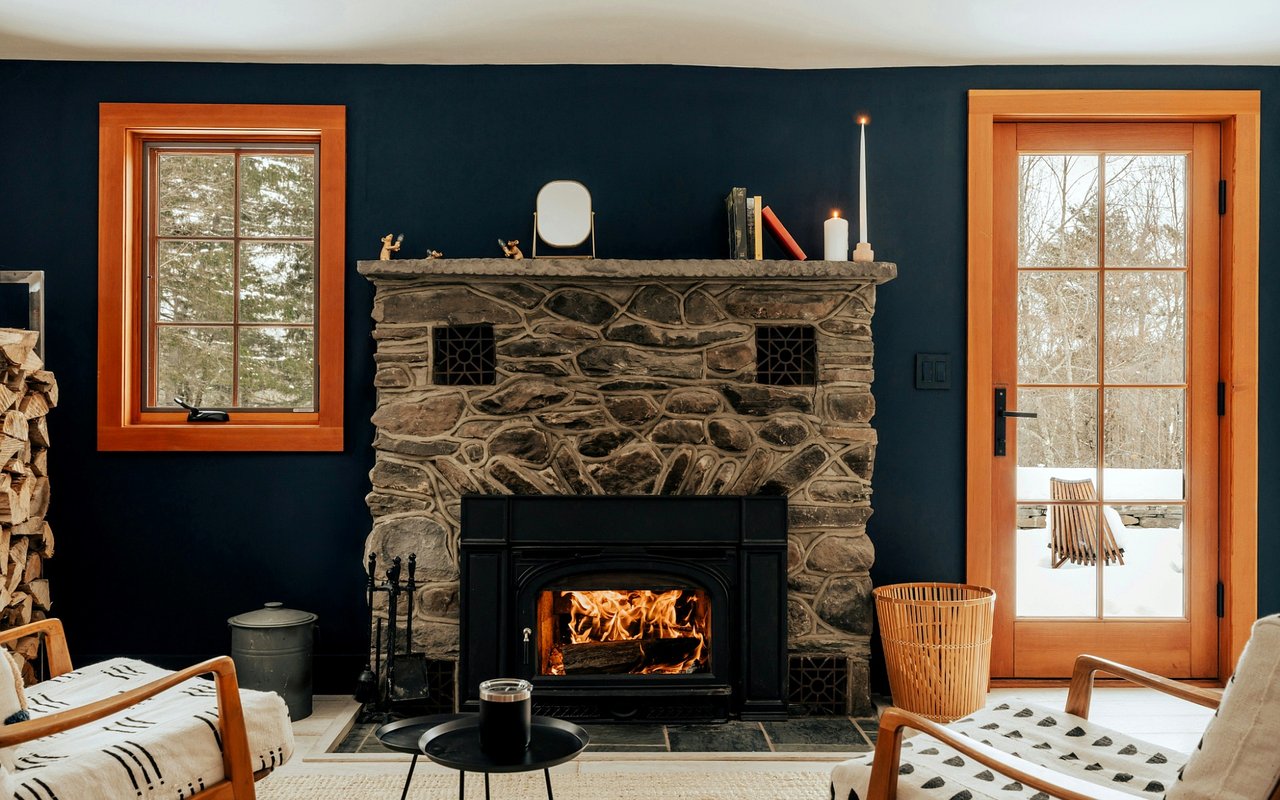
Stone is an equally important element. A fieldstone fireplace surround or a rough-cut limestone hearth anchors the living space and creates an immediate focal point. If a full stone fireplace is not in the budget, consider stone accents on a kitchen island, a bathroom vanity, or even a small section of an entryway wall. The goal is presence, not perfection; irregularity and variation are part of the appeal.
Wood is the obvious starting point. For cabins near Memphis, cypress and cedar are particularly fitting choices given their prevalence in the region and their natural resistance to humidity. Reclaimed barn wood is another excellent option, bringing instant warmth and texture without the manufactured look of new-construction materials. You can use these on flooring, ceiling beams, accent walls, or custom built-ins, and each application adds a different layer of visual depth.
Stone is an equally important element. A fieldstone fireplace surround or a rough-cut limestone hearth anchors the living space and creates an immediate focal point. If a full stone fireplace is not in the budget, consider stone accents on a kitchen island, a bathroom vanity, or even a small section of an entryway wall. The goal is presence, not perfection; irregularity and variation are part of the appeal.
Materials Worth Considering
- Reclaimed cypress or cedar for flooring and wall paneling, which ages gracefully and holds up well in humid conditions.
- Rough-cut fieldstone or river rock for fireplace surrounds and accent features, giving the interior a natural, tactile quality.
- Concrete or slate tile for high-traffic areas like mudrooms and entryways, where durability is more important than warmth.
- Linen, canvas, and wool for upholstery and window treatments, all of which layer texture without competing with the architecture.
- Hand-forged iron or aged brass for hardware throughout the kitchen, bathrooms, and doors, which adds small but meaningful details.
Build a Color Palette From the Outside In
One of the most effective ways to make a rustic cabin feel intentional rather than thrown together is to develop a color palette that references the surrounding environment. For properties near Memphis, this means looking to the landscape itself: the river, the timber, the clay, and the sky.
A warm neutral base works well in most rooms. Think creamy whites, sandy taupes, and soft grays that let the natural materials do the visual work. From there, you can layer in deeper tones as accents. Tobacco brown, muted olive, deep forest green, and rust red all feel at home in a cabin setting and echo the colors you would see on a walk through the woods or along a creek bed.
Avoid the temptation to go too dark throughout. Heavy colors can make a compact cabin feel enclosed rather than cozy. Instead, keep walls lighter and let your furniture, textiles, and accessories bring in the deeper tones. This approach creates contrast and makes every element feel considered.
A warm neutral base works well in most rooms. Think creamy whites, sandy taupes, and soft grays that let the natural materials do the visual work. From there, you can layer in deeper tones as accents. Tobacco brown, muted olive, deep forest green, and rust red all feel at home in a cabin setting and echo the colors you would see on a walk through the woods or along a creek bed.
Avoid the temptation to go too dark throughout. Heavy colors can make a compact cabin feel enclosed rather than cozy. Instead, keep walls lighter and let your furniture, textiles, and accessories bring in the deeper tones. This approach creates contrast and makes every element feel considered.
A Palette That Works for Memphis-Area Cabins
- Warm white or pale linen as a base wall color throughout main living areas.
- Deep rust or tobacco brown as an accent color in throw pillows, area rugs, or a single statement chair.
- Muted olive or sage green in kitchens and bathrooms, where a touch of color reads as intentional rather than distracting.
- Charcoal or near-black in metal accents, light fixtures, and hardware for grounding contrast.
- Natural wood tones as the primary visual element, allowing the material itself to serve as color.
Get the Lighting Right
Cabin lighting is often underdeveloped, and it shows. A single overhead fixture does not create atmosphere. What makes a cabin feel warm and layered at night is the same thing that makes it feel lived-in and real: multiple light sources at different heights and intensities.
Start with the ceiling. Exposed beams are an opportunity; pendant lights hung from them in the kitchen or dining area feel intentional and add visual height. In living rooms, a statement chandelier made from natural materials like antler, driftwood, or forged iron creates an immediate focal point. Recessed lighting works well as fill, but it should never be the primary source.
From there, think in layers. Table lamps and floor lamps in reading areas and beside seating create pools of warm light that invite you to settle in. Sconces flanking a fireplace or in a hallway add both functionality and warmth. Candles and lanterns, whether real or battery-operated, add the finishing layer of ambient glow that no electric fixture can fully replicate.
Start with the ceiling. Exposed beams are an opportunity; pendant lights hung from them in the kitchen or dining area feel intentional and add visual height. In living rooms, a statement chandelier made from natural materials like antler, driftwood, or forged iron creates an immediate focal point. Recessed lighting works well as fill, but it should never be the primary source.
From there, think in layers. Table lamps and floor lamps in reading areas and beside seating create pools of warm light that invite you to settle in. Sconces flanking a fireplace or in a hallway add both functionality and warmth. Candles and lanterns, whether real or battery-operated, add the finishing layer of ambient glow that no electric fixture can fully replicate.
Lighting Layers to Include
- A statement ceiling fixture in the main living area that complements the cabin's material palette.
- Under-cabinet lighting in the kitchen for both task lighting and warmth during evening hours.
- Bedside table lamps or wall-mounted reading lights in every sleeping space.
- Outdoor sconces flanking entry doors and on covered porches to extend the warm lighting feel outside.
- Dimmable switches throughout, which give you control over the ambiance of every room.
Choose Furniture for Comfort and Character
Cabin furniture needs to do two things well: feel physically comfortable and look visually interesting. Neither function alone is enough. A beautiful piece that is uncomfortable will go unused, while a comfortable piece with no visual appeal makes a room feel generic.
For sofas and chairs, look for pieces with solid wood frames and upholstery in durable natural fabrics. Leather ages beautifully in a cabin setting and develops patina over time, which only improves the look. Linen and canvas hold up well to regular use and clean easily. Avoid anything that looks too refined or polished; the goal is approachable, not precious.
Mix furniture heights and weights throughout the room. A low upholstered sofa pairs well with a taller wing chair. A heavy reclaimed wood coffee table grounds a lighter linen sectional. These contrasts keep the eye moving and make the space feel collected rather than matched. Incorporate pieces with visible joinery, turned legs, or other handmade details wherever possible, as they add the kind of character that mass-produced furniture rarely achieves.
For sofas and chairs, look for pieces with solid wood frames and upholstery in durable natural fabrics. Leather ages beautifully in a cabin setting and develops patina over time, which only improves the look. Linen and canvas hold up well to regular use and clean easily. Avoid anything that looks too refined or polished; the goal is approachable, not precious.
Mix furniture heights and weights throughout the room. A low upholstered sofa pairs well with a taller wing chair. A heavy reclaimed wood coffee table grounds a lighter linen sectional. These contrasts keep the eye moving and make the space feel collected rather than matched. Incorporate pieces with visible joinery, turned legs, or other handmade details wherever possible, as they add the kind of character that mass-produced furniture rarely achieves.
What to Look For in Cabin Furniture
- Solid wood frames in walnut, oak, or pine with natural or dark-stained finishes.
- Leather or performance linen upholstery in neutral to deep tones that can handle regular use.
- Pieces with visible elements like hand-carved details, dovetail joints, or hand-hammered hardware.
- Area rugs in wool or jute with organic patterns or muted stripes that anchor seating areas without overpowering the room.
- Storage pieces like trunks, baskets, and built-in shelving that are functional and contribute to the overall aesthetic.
FAQs
What Interior Design Style Works Best for a Rustic Cabin Near Memphis?
A warm, naturalistic approach works best — one that leans into wood, stone, and organic textiles rather than minimalist or modern elements. Think of it as a style that prioritizes texture and material over sleekness. It should feel grounded and unhurried, which mirrors the pace of life people are looking for when they head to a cabin retreat.
How Do I Make a Compact Cabin Interior Feel Larger?
Focus on a light base palette for walls and ceilings, maximize natural light with simple window treatments that let in as much daylight as possible, and use mirrors strategically to reflect both light and view. Keep furniture scaled appropriately for the room and avoid cluttering surfaces; restraint in decor goes a long way in smaller spaces.
Can I Mix Modern and Rustic Elements in a Cabin Interior?
Yes, and it often looks better than going fully rustic. A modern pendant light over a reclaimed wood dining table or a clean-lined sofa paired with a rough stone fireplace creates a productive tension that feels current without losing warmth. The key is intention; every modern element should feel like a choice, not an accident.
What Are the Best Flooring Options for a Rustic Cabin?
Wide-plank hardwood in a warm stain is the most popular choice for its durability and look. Cypress and pine are regionally fitting and hold up well. In high-traffic areas or wet zones like mudrooms and bathrooms, stone tile or slate works better. Avoid carpet throughout; it traps dust and moisture and ages poorly in a cabin environment.
Make the Space Feel Like Yours
The best rustic cabin interiors near Memphis are not recreations of a Pinterest board. They are spaces that feel genuinely connected to a place, collected over time, and designed around how you actually want to live. That means making deliberate decisions about materials and palette, getting the lighting right, and choosing furniture that earns its place both visually and physically.
If you are buying, selling, or searching for a cabin property in the greater Memphis area and want guidance from a team that knows this market inside and out, connect with our team at Myers Cobb Realtors®. We can help you find a space worth making your own.
If you are buying, selling, or searching for a cabin property in the greater Memphis area and want guidance from a team that knows this market inside and out, connect with our team at Myers Cobb Realtors®. We can help you find a space worth making your own.