By Myers Cobb Realtors®
If you spend your weekends chasing waterfowl through the flooded timber or casting for crappie on one of the many lakes surrounding Memphis, you already know the toll that gear takes on a home. Muddy waders, wet decoys, tangled fishing rods, and gear cases have a way of taking over a garage or back porch if there is no dedicated space for them. A well-planned mudroom solves that problem, and therefore, it is quickly becoming one of the most requested features for buyers searching for a hunting or fishing retreat in the Greater Memphis area.
A functional mudroom is about more than hooks and a bench. It is a system designed around how you actually use your property, whether that means rinsing off boots after a morning adventure or organizing tackle boxes before a sunrise trip to the lake. When it is done right, it keeps the rest of your home clean, extends the lifespan of your gear, and makes the transition from field to living room seamless.
In this guide, we will walk you through how to design a mudroom that works as hard as you do, from layout and materials to storage solutions built specifically for outdoor sporting life.
Key Takeaways
- A functional mudroom should be positioned near the entry point you use most, such as a garage or back door.
- Durable, water-resistant materials will hold up better to mud and moisture from hunting and fishing gear.
- Dedicated storage zones for rods and waders keep the space organized and prevent damage to equipment.
- Proper drainage and ventilation are essential for drying wet gear so that odor and mildew do not become an issue.
- Custom built-ins offer better long-term functionality than off-the-shelf furniture in high-use mudrooms.
Choosing the Right Location and Layout
The location of your mudroom matters just as much as what goes inside it. For most hunting and fishing retreats in this region, the ideal placement is directly off the garage or the entrance closest to where trucks, boats, or ATVs are typically parked. This keeps foot traffic contained and prevents mud, water, or debris from tracking through the main living areas.
When you are planning the layout, think through your actual routine. If you typically unload gear from a truck bed, you will want a mudroom with a wide doorway and enough floor space to set down coolers, tackle boxes, or a stack of decoys before sorting through them. If your retreat is more waterfowl-focused, you may want the layout to accommodate a dog wash station.
Square footage does not need to be large to be effective. A well-organized 100- to 150-square-foot mudroom can outperform a larger, poorly planned space. You want a layout that lets you move from door to storage to living space without backtracking or creating a bottleneck when you have a group returning from the field.
When you are planning the layout, think through your actual routine. If you typically unload gear from a truck bed, you will want a mudroom with a wide doorway and enough floor space to set down coolers, tackle boxes, or a stack of decoys before sorting through them. If your retreat is more waterfowl-focused, you may want the layout to accommodate a dog wash station.
Square footage does not need to be large to be effective. A well-organized 100- to 150-square-foot mudroom can outperform a larger, poorly planned space. You want a layout that lets you move from door to storage to living space without backtracking or creating a bottleneck when you have a group returning from the field.
What To Consider When Planning the Mudroom’s Layout
- Position the mudroom near the entrance you use most for hunting or fishing trips.
- Leave enough clearance for coolers, gear bags, and multiple people to move through at once.
- Plan for a bench or seating area near the door for putting on or removing boots.
- Include a direct sightline to a closet or a cabinet for quick gear put-away.
- Account for seasonal gear rotation, since duck season and fishing season storage needs may differ.
Selecting Durable, Purpose-Built Materials
Mudrooms built for hunting and fishing retreats need to withstand far more wear than a standard entryway. Mud, standing water, and dropped tackle require flooring and surfaces that can handle heavy use without breaking down.
Tile, sealed concrete, and luxury vinyl plank are among the most practical flooring choices, since they resist moisture and are easy to hose down or mop. Avoid materials like unsealed wood or carpet, which absorb moisture and can develop mildew over time, especially in a humid Memphis summer. For the walls, a washable paint finish or beadboard paneling stands up more effectively to scuffs and splashes than standard drywall finishes.
Countertops or bench tops used for gear preparations should be a nonporous material like quartz or sealed butcher block. This makes cleanup quick after a long day outdoors and keeps the surface looking great for years. Investing in the right materials upfront will save you from costly repairs or replacements down the line.
Tile, sealed concrete, and luxury vinyl plank are among the most practical flooring choices, since they resist moisture and are easy to hose down or mop. Avoid materials like unsealed wood or carpet, which absorb moisture and can develop mildew over time, especially in a humid Memphis summer. For the walls, a washable paint finish or beadboard paneling stands up more effectively to scuffs and splashes than standard drywall finishes.
Countertops or bench tops used for gear preparations should be a nonporous material like quartz or sealed butcher block. This makes cleanup quick after a long day outdoors and keeps the surface looking great for years. Investing in the right materials upfront will save you from costly repairs or replacements down the line.
Best Materials for a Hunting and Fishing Mudroom
- Choose sealed concrete or tile flooring for easy cleanup after muddy boots.
- Select washable wall finishes, such as beadboard or semi-gloss paint, over standard drywall.
- Use a nonporous countertop material for any gear prep or cleaning surfaces.
- Opt for stainless steel or powder-coated hardware, which resists rust from wet gear.
- Incorporate a rubber or slip-resistant floor mat near the entry point for added traction.
Designing Storage for Hunting and Fishing Gear
Storage is where a mudroom truly earns its keep. Generic hooks and open shelving might work for everyday shoes and jackets, but hunting and fishing equipment needs more specialized solutions.
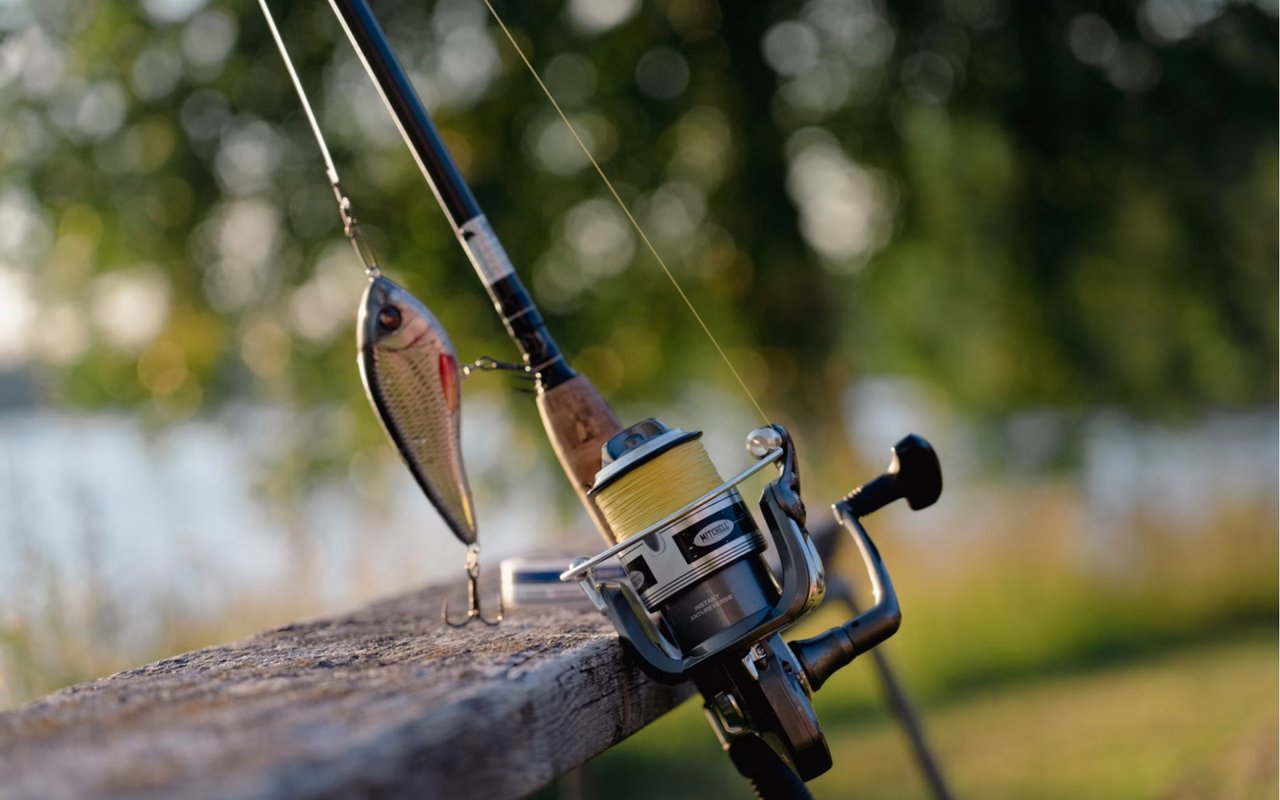
Fishing gear benefits from vertical storage. Rod racks mounted along a wall keep rods untangled and easy to grab on your way out the door, while a pegboard system works well for tackle boxes, nets, and waders that need to hang dry rather than sit folded in a pile. For waterfowl hunters, a dedicated space for decoys, whether that is a shelving unit or a series of large bins, keeps decoy bags from cluttering the floor.
Cabinetry with adjustable shelving gives you the flexibility to adjust storage as your gear collection grows or changes with the seasons. Labeled bins or baskets are especially useful, helping keep the space from becoming disorganized after a busy weekend.
Fishing gear benefits from vertical storage. Rod racks mounted along a wall keep rods untangled and easy to grab on your way out the door, while a pegboard system works well for tackle boxes, nets, and waders that need to hang dry rather than sit folded in a pile. For waterfowl hunters, a dedicated space for decoys, whether that is a shelving unit or a series of large bins, keeps decoy bags from cluttering the floor.
Cabinetry with adjustable shelving gives you the flexibility to adjust storage as your gear collection grows or changes with the seasons. Labeled bins or baskets are especially useful, helping keep the space from becoming disorganized after a busy weekend.
Storage Solutions Worth Including
- Install a rod rack that keeps fishing rods separated and untangled.
- Add hanging space specifically for waders, so they can dry fully between trips.
- Include a labeled bin system for smaller items, such as lures, calls, and ammunition.
- Use pegboard or slat wall panels for flexible tool and gear organization.
- Reserve a lockable cabinet for firearm storage, separate from other gear.
FAQs
How Big Should a Mudroom Be for Hunting and Fishing Gear?
There is no single right size, but most functional mudrooms for this purpose range between 100 and 200 square feet. What matters more than square footage is how well the layout accommodates your specific gear and routine, including space for multiple people to move through at once.
Can an Existing Mudroom Be Converted for Hunting and Fishing Use?
Yes, and this is one of the most common upgrades. In many cases, adding a floor drain, swapping out the flooring for a more durable material, and installing purpose-built storage, such as rod racks, can transform a standard mudroom into one built for outdoor sporting life.
What Flooring Holds Up Best in a High-Traffic Mudroom?
Sealed concrete, tile, and luxury vinyl plank are the most durable and moisture-resistant options. They stand up well to mud, water, and heavy foot traffic, and they are far easier to clean than carpet or unsealed wood.
Bring Your Outdoor Lifestyle Home
A well-designed mudroom does more than keep your home clean; it becomes the daily bridge between your time outdoors and your time at home. For hunters and anglers throughout the Greater Memphis area, that extra layer of function can make everyday routines easier and help protect the gear you rely on season after season.
Whether you are searching for a property with an existing mudroom ready for your gear or you are hoping to find a home with the space to build one from scratch, we understand what outdoor-focused buyers are looking for in this market. Our team knows the neighborhoods, land, and properties throughout the Greater Memphis area that lend themselves well to the lifestyle.
If you are ready to find a retreat that fits how you live, reach out to our team at Myers Cobb Realtors®. We are here to help you find a property that works as hard as you do, both in the field and at home.
Whether you are searching for a property with an existing mudroom ready for your gear or you are hoping to find a home with the space to build one from scratch, we understand what outdoor-focused buyers are looking for in this market. Our team knows the neighborhoods, land, and properties throughout the Greater Memphis area that lend themselves well to the lifestyle.
If you are ready to find a retreat that fits how you live, reach out to our team at Myers Cobb Realtors®. We are here to help you find a property that works as hard as you do, both in the field and at home.