A buyer under contract on a five-year-old house in the Vineyards assumes the grading is settled and the drainage is a non-issue. Then the inspection report comes back flagging standing water against the foundation, the same complaint a fifty-year-old ranch two miles away might carry. The house's age told the buyer nothing useful about what the inspector would find.
That's the pattern worth understanding before you write an offer or list a home in Germantown this fall. The inspection findings here don't sort neatly by "old house, more problems" and "new house, fewer problems." They sort by which construction-era pocket of the city you're standing in, and by a soil condition that doesn't care what decade the slab was poured.
The Assumption That Doesn't Hold
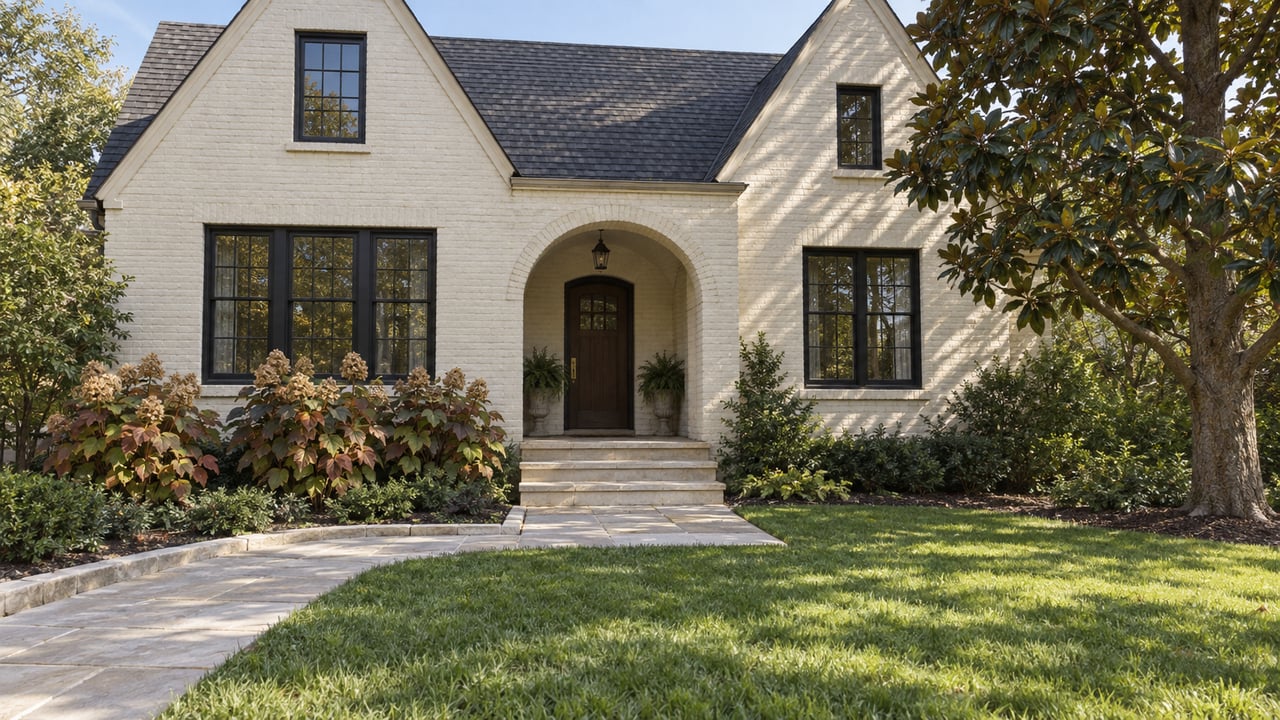
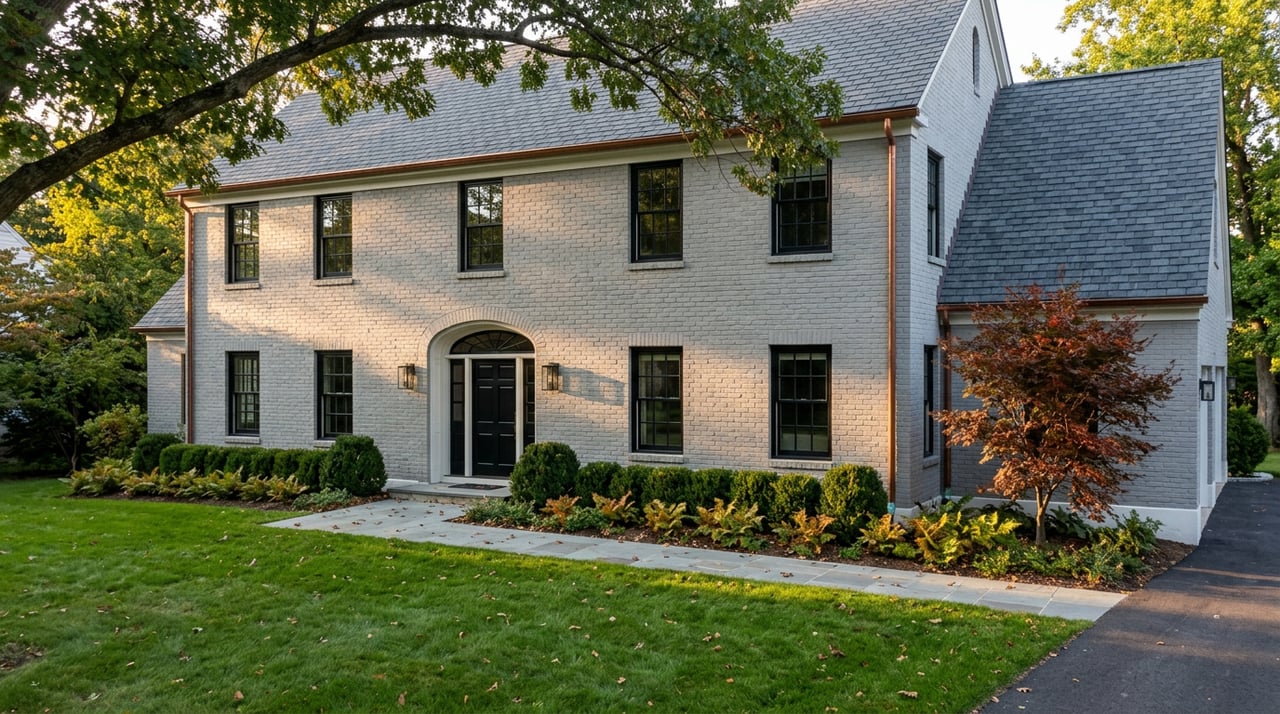
Germantown's housing stock breaks into three rough eras. The Mid-Century and California Ranch homes sit in the older western pockets closer to the Memphis line, built largely through the 1960s and 70s on wide, heavily wooded lots. The Traditional Brick Colonials and Two-Story Neoclassicals that most buyers picture when they think of Germantown went up between the late 1970s and the 1990s, during the town's fastest growth stretch. City historical records show the population more than doubled from about 5,000 in 1972 to nearly 12,900 by 1976, then reached 21,482 by 1980, with new subdivisions, schools, and shopping centers filling what had been cotton fields. The Modern Luxury Custom Estates cluster on the eastern edge, largely in the 38139 ZIP code, and represent the newest construction in the city.
A buyer moving up in price naturally expects that newer construction means fewer surprises. In most markets that's a reasonable bet. In Germantown it isn't, because the thing that actually determines what an inspector flags isn't the build date on its own. It's what that build date did to the ground underneath the house, and what forty or fifty years of tree growth did to a foundation that wasn't going anywhere.
What The Reports Actually Show, Subdivision By Subdivision
Ask a local inspector what comes up most often and the answer isn't a single item. It's a set of patterns tied to specific pockets of the city:
- In Germantown Heights, the recurring flag is original wiring or plumbing that's aged past its useful life, the kind of thing that doesn't fail until someone runs a dishwasher and a hair dryer at the same time.
- In Poplar Estates, mature landscaping is the double-edged feature. The same trees that make the street beautiful have root systems old enough to intrude near foundation lines, and the willow oaks common in the area also drop pollen tassels that pack gutters tight enough to overflow onto the foundation below.
- In Devonshire Gardens, the issue isn't age at all. It's custom systems, specialty HVAC zoning or backup generators installed by a previous owner, that need a specialist's eye rather than a generalist's checklist.
- In Oakleigh, foundation movement shows up more often than in comparable-age homes elsewhere in the city.
- In Forest Hill-Irene and the Vineyards, both newer-development pockets, the complaint is drainage and grading that hasn't fully settled, exactly the kind of finding a buyer assumes belongs only to older construction.
Lay that list next to the era map and the contradiction is obvious. Two of the newest subdivisions in the city carry one of the more common complaints in older housing stock. Age isn't predicting the finding. Something underneath the age is.
The Soil Underneath All Of It
That something is clay. Shelby County's expansive clay soils swell when they're wet and shrink when they dry out, and that movement doesn't ask a foundation how old it is before it stresses the slab. Foundation repair contractors working the Germantown market describe the same mechanism regardless of the property's construction year: moisture changes cause the soil to expand and contract, and that cycle produces cracked foundation walls, stair-step cracks in brick, and sloping floors whether the house was built in 1968 or 2021.
The same clay creates ideal conditions for subterranean termites, since it holds moisture close to the foundation long after a storm has passed, giving colonies the humidity they need to establish near a structure. And it's the reason a driveway in a fifteen-year-old subdivision can heave and crack just as readily as one poured in the 1980s, because the soil beneath it is doing the same expanding and contracting either way.
None of this means every Germantown house has a foundation problem. Most don't. It means the variable that predicts an inspection finding isn't the number on the building permit. It's whether the lot sits on soil and drainage conditions that haven't fully stabilized, whether that's because the house is new enough that the ground hasn't settled, or old enough that fifty years of tree roots and moisture cycles have had time to do their work.
Why The Newest Subdivisions Aren't Exempt
Germantown's development standards include requirements to preserve the city's tree canopy. Those rules require mitigation planting with native species like White Oaks, Bald Cypresses, and Sugar Maples whenever mature trees come down during construction. Because most of Germantown was developed between the 1970s and 1990s, those original mitigation plantings have had thirty to fifty years to mature into the full canopy that defines the city today.
Newer subdivisions like Forest Hill-Irene and the Vineyards are still in the early years of that same cycle. The grading is recent, the replanted trees are young, and the drainage patterns around a five- or ten-year-old foundation haven't had decades to prove themselves the way they have in an established subdivision. That's not a construction defect. It's a timing gap, and it shows up on inspection reports as grading and drainage flags that a buyer expects only in much older housing.
What This Means If You're Listing This Fall
If your home sits in one of the era clusters above, you already know roughly what an inspector is likely to flag before they walk in the door. That's useful information before you set a list date, not after an offer falls through. A pre-listing inspection in a Germantown Heights or Nottoway-era home that surfaces and addresses aging electrical or plumbing components ahead of time removes a negotiating lever a buyer's inspector would otherwise use. A seller in Poplar Estates or a similarly wooded, established subdivision benefits from having gutters cleared and any root intrusion near the foundation assessed before listing, rather than letting a buyer's inspector find it first.
Market pace makes this timing matter more than usual. Over the three months ending June 2026, homes in Germantown's core 38138 ZIP code sold after 20 days on the market on average. But individual closings tell a wider story. One home on Fords Station Road sold in 38 days, 10 percent under its list price. A Shadow Moss Lane property took 177 days to close and sold six percent under its final list price. That spread is exactly what happens when an inspection surfaces an unresolved condition mid-contract and the parties have to renegotiate price or repairs before the deal can move forward. A seller who front-loads that conversation, rather than discovering it during someone else's option period, controls the timeline instead of losing weeks to it.
What This Means If You're Under Contract
If you're the buyer, the practical move is to budget your contingency around your subdivision's actual pattern rather than a generic inspection checklist. A buyer in Devonshire Gardens should expect to bring in a specialist for custom mechanical systems, not just a general inspector. A buyer in the Vineyards or Forest Hill-Irene should ask specifically about grading and drainage certification, even on a home that's only a few years old. A buyer anywhere near Oakleigh should treat a foundation evaluation as a line item, not an afterthought.
None of this is cause for alarm. It's the difference between negotiating from a position of knowing what you're likely to find and negotiating from surprise. The City of Germantown's own residential property improvements guidance is a useful starting point if repairs surface and you need to understand what requires a permit before work begins.
A Few Straight Answers
Does a newer Germantown subdivision mean a cleaner inspection? Not necessarily. Forest Hill-Irene and the Vineyards, both newer developments, show up in local inspection patterns for drainage and grading complaints just as often as older, established neighborhoods show up for aging systems.
Is clay soil a Germantown-specific problem? It's a Shelby County-wide condition, but it matters here because it affects foundations, driveways, and pest pressure across every construction era in the city, from 1960s ranches to homes finished in the last five years.
Should a pre-listing inspection be standard in Germantown? Given how consistently these findings track to specific subdivisions rather than random chance, a pre-listing inspection is one of the more useful tools a seller has for controlling the negotiation rather than reacting to it. You can review the subdivision development history maintained by the Germantown Historical Preservation Association to get a sense of when your specific pocket of the city was built out.
Whether you're preparing to list a Poplar Estates colonial this fall or writing an offer on a Vineyards build, the conversation about what an inspector is likely to find should happen before the report does, not after. Myers Cobb Realtors works Germantown block by block, and we're glad to walk through what your specific subdivision typically surfaces before you're staring at a report with a deadline attached. Work With Us.
This article is general information, not legal, tax or financial advice. Consult a qualified professional about your situation.