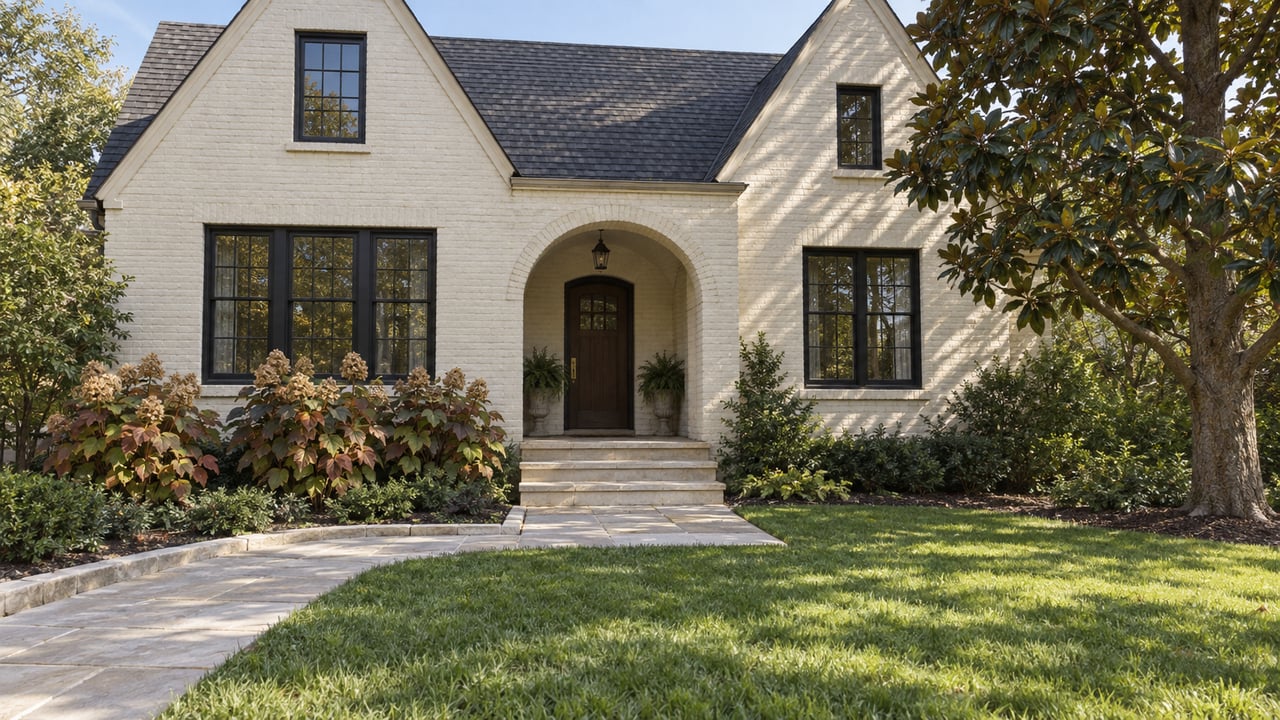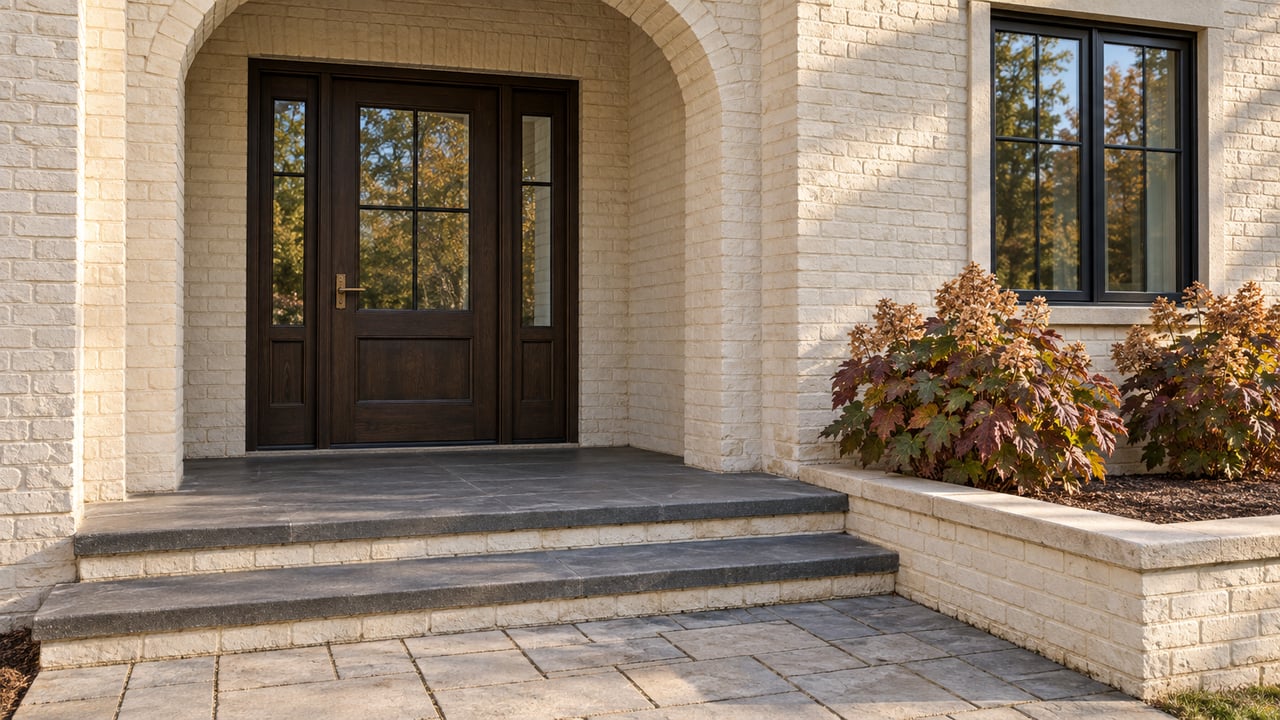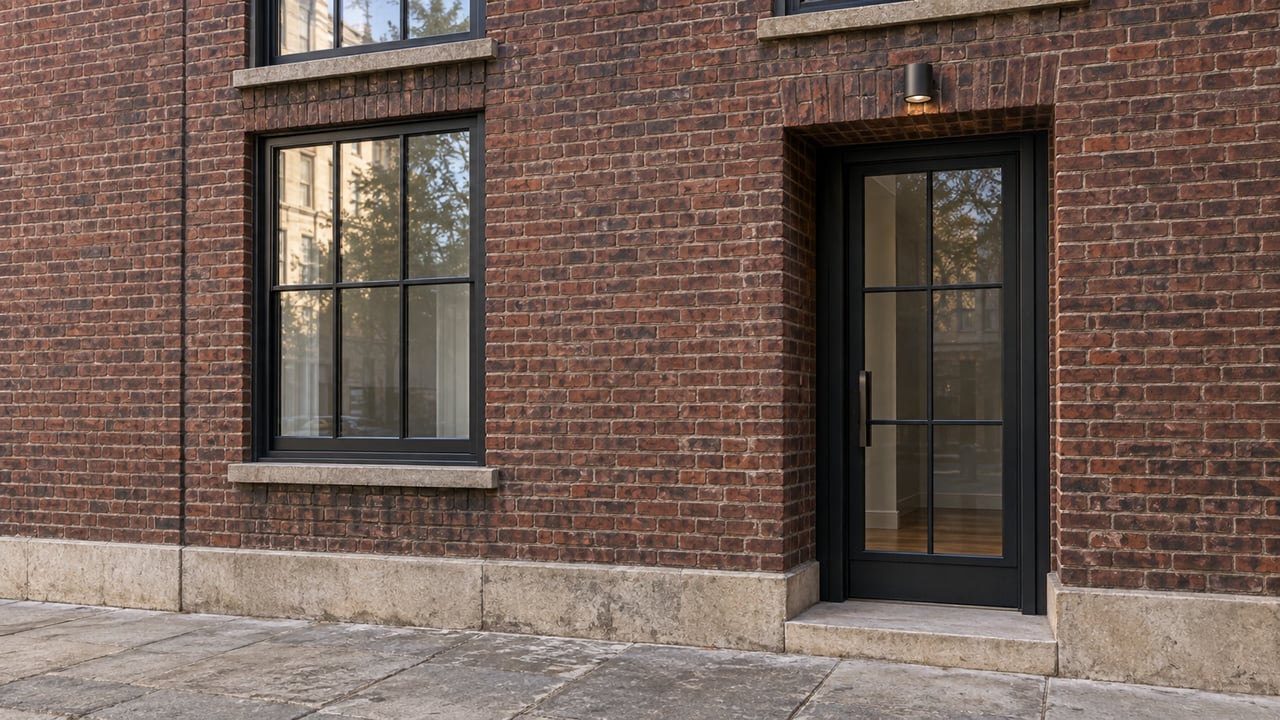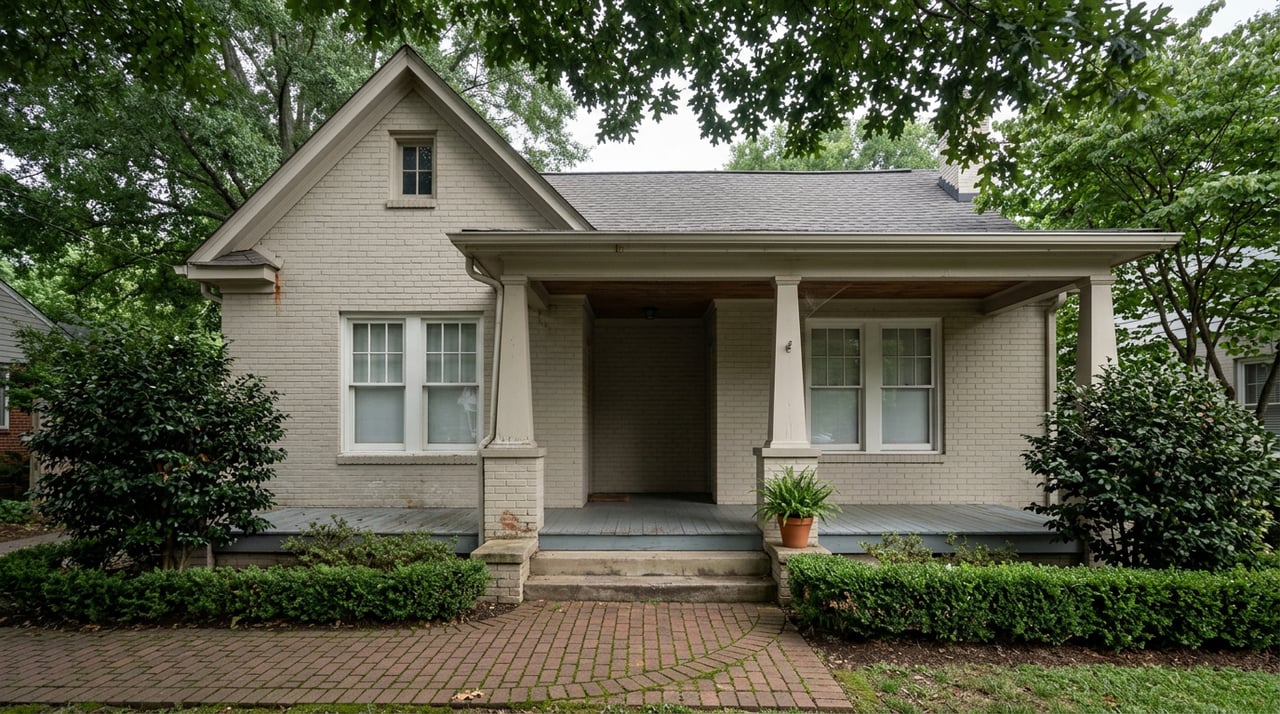
In April 2026, someone who had just bought a house on Garland Street in the Vollintine-Evergreen Historic District did exactly what a new homeowner does. They pulled off the porch awning, gave the brick a fresh coat of paint, and swapped in a new front door. It felt like the most natural thing in the world. It is also, according to the Memphis Landmarks Commission's April 2026 agenda, the reason that property now carries a case file: ENF-2026-00403, a retroactive Certificate of Appropriateness application, filed after the fact because the work happened before anyone checked with the Memphis Landmarks Commission.
Nobody did anything malicious. They did what most buyers do. They just did it in the wrong order, in a part of Midtown where order matters more than it looks like it should.
If you are looking at a house in Central Gardens, Vollintine-Evergreen, Annesdale Park, or one of Midtown's other local historic districts, this is the piece of the transaction that rarely comes up until you are already past inspection contingencies. It is not about whether the wiring is old, though it probably is. It is about the fact that two separate processes can affect your plans: exterior alterations can trigger city review, while wiring found during inspection can trigger an insurer's timeline.
How the Landmarks Commission Reviews Exterior Changes
Memphis carries nine local historic overlay districts: Annesdale Park, Annesdale-Snowden, Central Gardens, Cotton Row, Evergreen, Gayoso-Peabody, Glenview, South Main Street, and Victorian Village. Central Gardens alone covers 83 blocks and roughly 511 acres, with about 1,540 structures built mostly between 1850 and 1930. If your house sits inside one of these boundaries, the exterior is not entirely yours to change on your own schedule.
The Memphis Landmarks Commission was created by city ordinance in 1975 and still reviews any exterior alteration, new construction, demolition, or relocation that is visible from a public street. The plain-language version, as neighborhood associations explain it to new residents, comes down to this:
A Certificate of Appropriateness is required for work done to the exterior of a building or to any part of the property visible from the street or right-of-way, including areas currently hidden by landscaping. Ordinary repairs and routine maintenance that do not alter historic material generally do not require it.
That distinction between "maintenance" and "alteration" is where most surprises live. Repainting the same color in the same material is usually fine. Replacing wood siding with something else, adding a railing, taking down an awning, or swapping a door style is an alteration, and alterations need a COA before the work starts, not after.
Two Processes, Two Timelines, Two Agencies
Here is the mechanism that actually catches buyers off guard. A pre-1950s Midtown home typically has two separate systems that come with deadlines attached, and the two deadlines are enforced by completely different institutions.
| The Exterior Clock | The Interior Clock | |
|---|---|---|
| Who enforces it | Memphis Landmarks Commission | Your homeowners insurance carrier |
| What triggers it | Any visible exterior alteration | Knob-and-tube wiring found during inspection |
| Typical timeline | Adds roughly 30 to 60 days to a project, per local permitting guides, once you count the pre-application meeting, material samples, and the Commission's monthly meeting schedule | Many carriers require a full rewire within about 30 days to keep standard coverage in place |
| What happens if you miss it | Retroactive COA application, a code enforcement case number, and | Policy non-renewal, forced move to a specialty carrier at 50 to 100 percent higher premiums, or a stripped-down HO-8 policy that rebuilds plaster with drywall |
| Where the paperwork lives | Land Use and Development Services, filed through the city's public agenda | Your insurer's underwriting file, rarely public |
Notice that these two clocks run on completely different logic. The city's clock is about what the street sees. The insurer's clock is about what is behind the walls. A buyer can satisfy one and still be blindsided by the other, because nobody coordinates them for you. Your closing attorney is not checking your insurer's rewire deadline. Your insurance agent is not checking whether your new porch railing needs a Certificate of Appropriateness. That coordination is the buyer's job, and it is the job nobody tells you about until you are already living in the house.
What Happens When You Skip Ahead
The Landmarks Commission's monthly agendas are public and show applications filed before or after work began. The April 2026 agenda included an application to replace exterior brick and shake siding with new materials. By the Commission's May 2026 agenda, a retroactive filing appeared for exterior brick painting, a metal railing on a front patio, replacement windows and doors, and a new fence. Two months later, in July 2026, a rear addition was approved the way the process is supposed to work, with specific conditions attached before construction began: the new siding had to be painted wood or smooth fiber-cement board installed with a maximum six-inch reveal, and every window on the side elevations had to match the size, header height, and grid pattern of the originals.
That rear addition example is worth sitting with, because it shows the system working as intended rather than as an obstacle. The addition got approved with conditions that kept the new construction visually consistent with a house built a century earlier. The examples illustrate how timing can affect the review process.
The Central Gardens Association runs a four-step process specifically to help owners avoid this: read the district's architectural guidelines, meet informally with the neighborhood's landmarks committee before finalizing a design, submit the formal application with a licensed architect or designer's input, and only then submit the Certificate of Appropriateness to the city. It exists because so many projects arrive at the Commission already built.
How Historic-District Rules Can Support Property Values
It is easy to hear all of this and conclude that historic district rules are a tax on ownership, a hurdle standing between you and the house you actually want. The research points the other direction. A public FAQ maintained by the Vollintine Evergreen Community Association cites findings that properties inside Memphis Landmarks Commission historic districts appreciated at rates above comparable homes outside those districts, and that new construction inside the districts benefited from the designation as much as, or more than, the older homes already there.
That reframes the entire conversation. The Certificate of Appropriateness process is not primarily a preservation tax on individual owners. It is a coordination mechanism that keeps every owner's exterior choices from eroding the value the whole street has already built. The buyer who resents the six-inch siding reveal requirement on a rear addition is, in effect, benefiting from the same rule when the house three doors down cannot slap on vinyl siding or an out-of-scale addition that would drag down everyone's resale comps.
The Order That Actually Works
None of this means avoid Midtown's historic districts. It means sequence the work correctly from the start.
- Ask the seller or their agent whether any exterior work has been done in the last few years and whether it carries an approved Certificate of Appropriateness. If the answer is vague, that gap is worth resolving before closing, not after.
- Schedule an inspection that specifically evaluates the wiring type, not just a general home inspection. Knob-and-tube findings change your insurance shopping timeline immediately.
- Call the Landmarks Commission's Land Use and Development Services office for a pre-application meeting before you draw up any exterior plans, even ones that feel minor like a new front door or a fence.
- Budget the 30 to 60 days a COA typically adds into your renovation timeline from day one, so it is not competing with a 30-day insurance rewire deadline you did not see coming.
- If a rewire is needed, get a written quote before you shop insurance, not after a carrier tells you no.
Buying in Midtown's historic districts is still one of the more distinctive moves available in this market. The character that drew you to Central Gardens or Vollintine-Evergreen in the first place, the porches, the brick, the century-old proportions, exists because this system has been protecting it since 1975. The buyers who run into trouble are rarely the ones who dislike the rules. They are the ones who never found out the rules existed until the paint was already dry.
Common Questions
Does every exterior project need a Certificate of Appropriateness? No. Routine maintenance that does not alter historic material, like repainting an existing color in the same material, generally does not require one. Alterations, replacements, and new construction generally do. When in doubt, a quick call to Land Use and Development Services before starting is far cheaper than a retroactive application after.
What if I want to buy a fixer-upper and start work immediately after closing? Slow down on anything visible from the street. Interior work, including a wiring upgrade, generally does not require Landmarks Commission review. Exterior work does, and starting before approval is exactly how a straightforward project turns into a code enforcement case with your name on it.
If you are weighing a historic Midtown address against a newer build elsewhere in Memphis, the sequencing questions above are exactly the kind of thing worth working through before you write an offer, not after. Myers Cobb Realtors works these details for buyers and sellers across Midtown and the wider Mid-South every day. Work With Us before you fall in love with a house and find out what it actually requires.
This article is general information, not legal, tax or financial advice. Consult a qualified professional about your situation.