If you want top-dollar results in East Memphis, listing your home “as is” and hoping for the best is rarely the strongest strategy. Buyers in this market often compare homes quickly online, then decide in person within minutes whether a property feels worth the asking price. The good news is that you do not need a full renovation to make a strong impression. You need a smart, room-by-room plan that helps your home look clean, cared for, and camera-ready. Let’s dive in.
Why prep matters in East Memphis
East Memphis can be a presentation-sensitive market, which means the way your home looks has a real impact on buyer response. For the three months ending May 2026, Redfin reported a median sale price of $326,390, 58 days on market, and a 96.8% sale-to-list ratio in East Memphis. MAAR’s June 2026 Memphis-area report also showed 5,067 active listings, 49 average days on market, and 1,490 closed sales.
That level of inventory means your home has to compete both online and in person. According to the 2025 NAR staging survey, 83% of buyers’ agents said staging makes it easier for buyers to visualize a home, and 29% said staging increased the dollar value offered by 1% to 10%.
Presentation also shapes your marketing results. NAR found that 73% of buyers’ agents said photos were highly important, 48% said videos were highly important, and 43% said virtual tours were highly important. In other words, every room needs to work for showings and for the camera.
Start with pre-listing basics
Before you focus on throw pillows and fresh towels, start with the prep steps that create fewer surprises later. NAR recommends a pre-sale home inspection along with cleaning, organizing, and reviewing older items that may need attention. That gives you time to make decisions before buyers begin looking closely.
In Tennessee, sellers of most one- to four-dwelling residential properties must provide either a disclosure statement or a disclaimer statement. State law also makes clear that a disclosure is not a warranty and does not replace inspections. That is one reason visible repair issues are best addressed early, before they become negotiation points.
If your East Memphis home was built before 1978, take paint work seriously. Federal law requires sellers of most pre-1978 housing to provide lead-hazard information and disclose known lead-based paint hazards, and renovation firms disturbing paint in those homes must use lead-safe work practices. If touch-ups or repairs involve painted surfaces, use a qualified lead-safe contractor instead of treating the work as a casual cosmetic project.
A simple prep sequence usually works best:
- Schedule a pre-list inspection.
- Review repair priorities and vendor estimates.
- Deep clean and declutter.
- Complete painting, landscaping, and minor fixes.
- Stage key spaces.
- Photograph and launch.
Boost curb appeal first
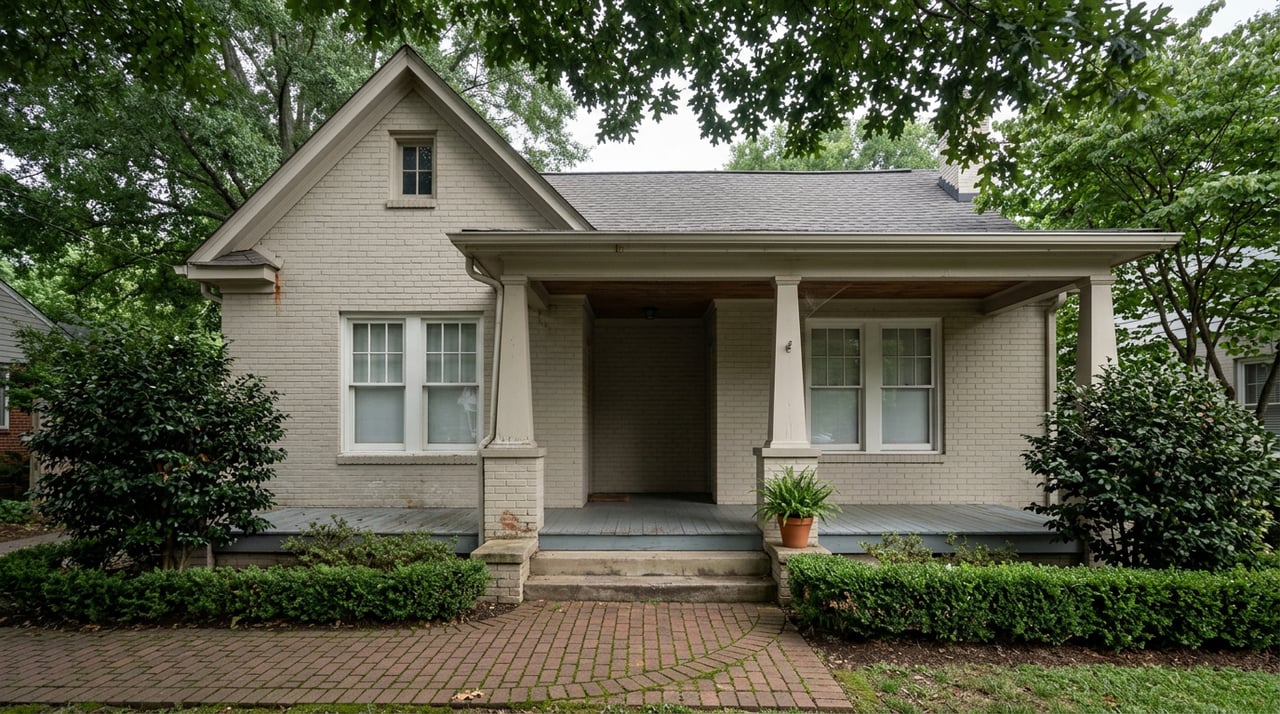
Buyers start forming opinions before they ever step inside. In East Memphis, the exterior is not a side project. It is your first showing.
NAR’s curb appeal guidance focuses on mowing, edging, trimming, lighting, clean windows, a fresh doormat, and a tidy entry. In Memphis, exterior upkeep also matters for practical reasons. The city’s Clean City Guide says grass and weeds 12 inches or higher violate the IPMC, and code-enforcement materials list junk, debris, open storage, inoperable vehicles, and excessive weeds or shrubbery among common violations.
Front yard checklist
Focus on simple, high-return cleanup:
- Mow and edge the lawn
- Trim bushes and overgrowth
- Clear hoses, toys, and loose yard items
- Clean the driveway and walkway
- Wash front-facing windows
- Update house numbers if they look worn
- Make sure exterior lighting works
- Add a fresh mat or simple porch flowers
If your prep creates yard waste, Memphis asks residents to bag leaves, grass clippings, and shrubbery at the curb. If contractors create construction or demolition debris, they are responsible for removing it.
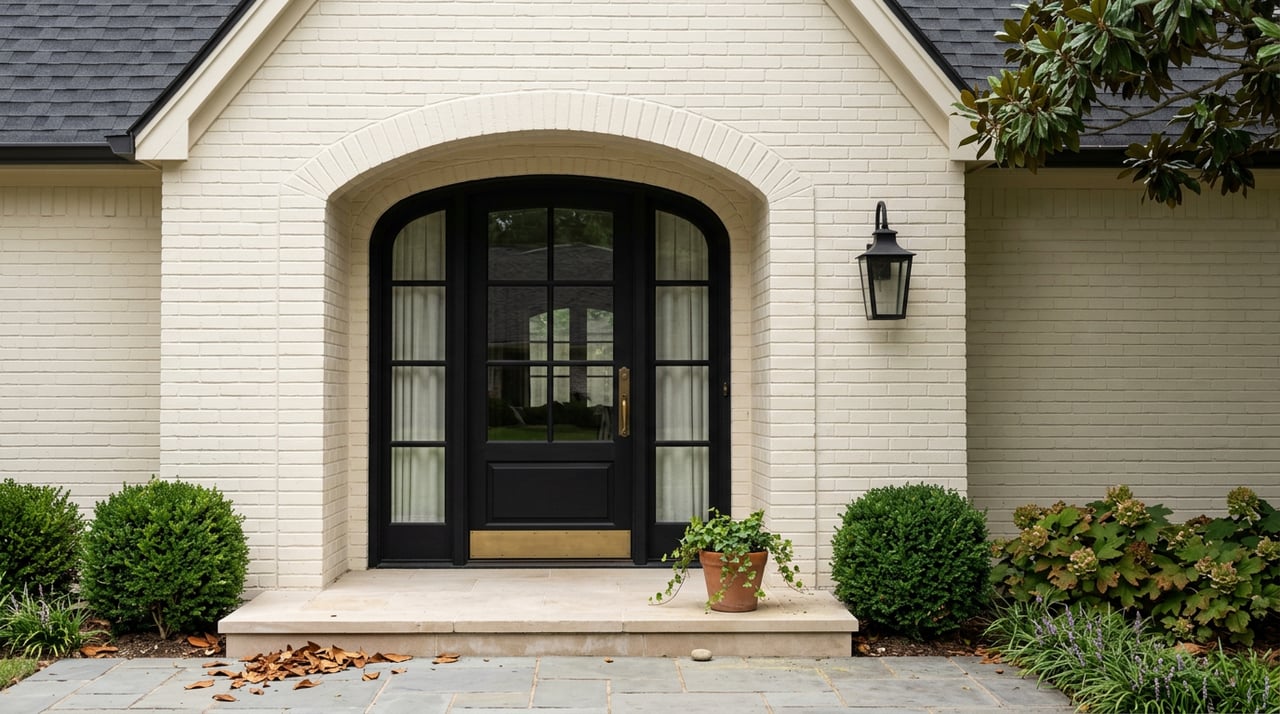
Make the entry feel clean and welcoming
Your front entry sets the tone for the rest of the showing. If the space feels crowded or neglected, buyers may carry that impression into the rest of the home.
Keep this area bright, simple, and open. Remove extra shoes, bags, umbrellas, and decorative pieces that block the path. You want buyers to move easily from the front door into the main living areas.
Open up the living room
The living room is one of the spaces buyers care about most, and it is also one of the most commonly staged rooms. Its job is to help buyers understand scale, comfort, and flow.
NAR recommends removing bulky furniture so rooms feel larger and easier to navigate. In practical terms, that means creating one clear seating arrangement, cutting back extra accent pieces, and making sure there is an easy walking path through the room.
Living room prep tips
- Remove oversized or extra furniture
- Limit accessories on tables and shelves
- Open blinds or curtains for natural light
- Straighten rugs and cords
- Keep pathways clear from the entry through the main seating area
If the room has an awkward shape or too little furniture, partial staging can help define the space without making it feel busy. The goal is warmth and clarity, not overdecorating.
Simplify the dining room
Your dining room should feel easy to understand at a glance. Buyers should see enough space to move around the table and picture everyday use or entertaining.
Keep the tabletop mostly clear and remove extra chairs if the room feels tight. If you use the dining room for storage, work, or hobbies, return it to its intended use before photos and showings.
Keep the kitchen clean and camera-ready
The kitchen is one of the most important rooms in the house when you are selling. Buyers notice function, cleanliness, and maintenance quickly, and the camera notices even more.
NAR recommends packing up less-used kitchen tools and cleaning windows, walls, lighting fixtures, and baseboards. You do not need a remodel to make your kitchen show well. You need a clean, neutral presentation that feels easy to maintain.
Kitchen checklist
- Clear most countertop items
- Store small appliances you do not use daily
- Remove magnets, notes, and paperwork
- Clean the sink, faucet, and backsplash thoroughly
- Wipe cabinet fronts and hardware
- Clean light fixtures and baseboards
- Empty the trash before showings and photos
Every visible surface matters in listing photos. If a buyer sees clutter, they may assume the kitchen lacks storage or upkeep, even when that is not true.
Refresh bathrooms with a hotel-clean feel
Bathrooms should feel crisp, bright, and simple. Buyers respond well to spaces that look fresh and low-maintenance.
NAR specifically recommends fluffy new towels and keeping personal items out of sight. That supports a simple formula for bathroom prep: remove what is personal, replace what looks worn, and clean every surface until it reads as spotless.
Bathroom checklist
- Empty counters except for one simple accent if needed
- Hide toiletries and medicines
- Scrub grout, tubs, toilets, and fixtures
- Replace worn bath mats
- Use coordinated towels instead of mixed daily linens
- Clean mirrors until streak-free
Prioritize the primary bedroom
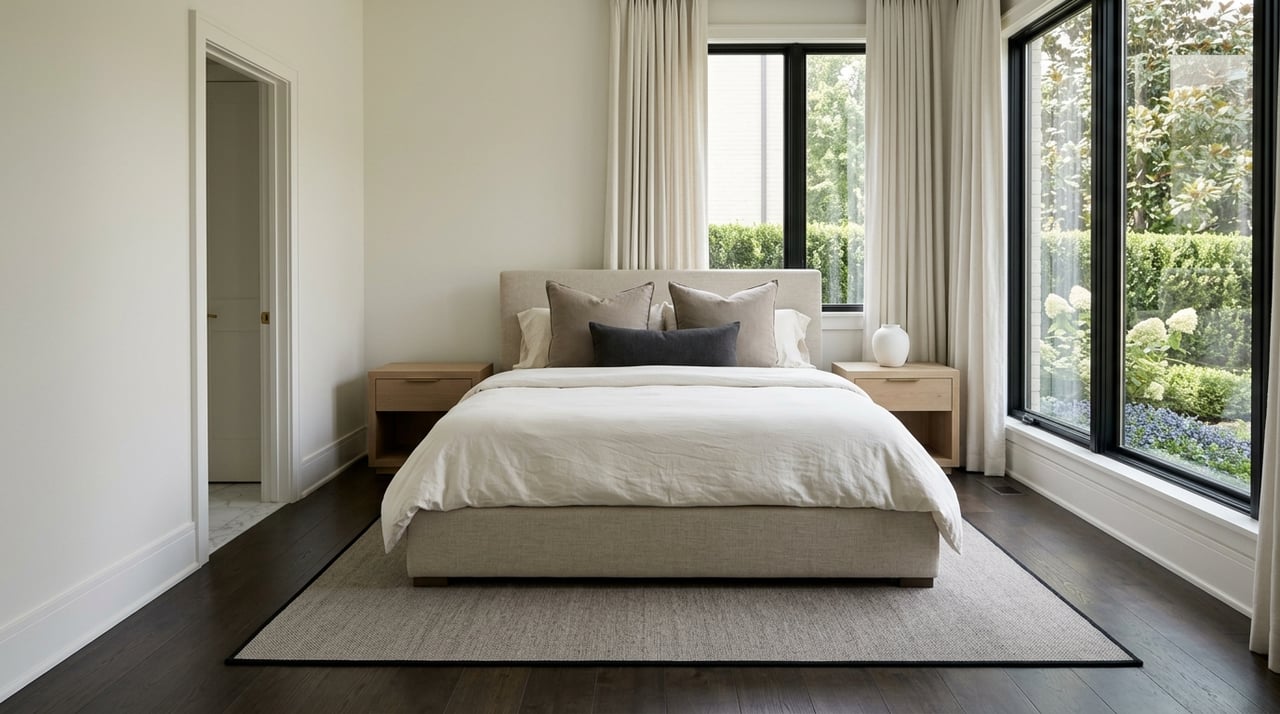
The primary bedroom deserves extra attention because it is one of the rooms buyers care about most. It should feel calm, spacious, and restful.
NAR recommends fresh bedding, neutral colors, removing excess furniture, and packing away personal items. In practice, that means simple layered bedding, clear nightstands, and enough open space for the room to feel balanced.
Primary bedroom checklist
- Use fresh, neutral bedding
- Remove extra chairs, benches, or storage pieces if crowded
- Clear personal items from dressers and nightstands
- Keep lamps, window coverings, and floors clean
- Make sure the bed is centered and neatly styled
Give secondary bedrooms a clear purpose
Secondary bedrooms often lose buyer attention when they feel unclear or improvised. If one room is part office, part storage, and part guest room, buyers may struggle to understand its size or function.
Each bedroom should have one obvious purpose. Even if you use the room differently day to day, set it up in a way that helps buyers read it quickly in photos and in person.
Edit closets and storage spaces
Storage looks more valuable when it feels available. NAR’s guidance is clear: closets should be about half full, not stuffed from wall to wall.
That applies to bedroom closets, hall storage, laundry areas, and utility spaces. Pack away seasonal items, extra boxes, and rarely used supplies so buyers can picture their own belongings fitting comfortably.
Storage prep tips
- Thin closets to roughly half full
- Remove bins from the floor when possible
- Store seasonal items off-site if needed
- Organize shelves by category
- Keep laundry and utility areas neat and easy to access
Clean for photos, not just daily life
There is a difference between a home that is clean enough for normal living and one that is ready for photography. Since buyers place high importance on photos, video, and virtual tours, your home should be prepared to look polished from every angle.
That means looking beyond obvious mess. Check lamp shades, windows, baseboards, under beds, pet areas, and corners that appear in wide-angle photos. A room can feel fine in person but still look distracting on camera.
Focus on neutral, not bland
Neutral staging does not mean your home should feel empty or lifeless. It means buyers should notice the space first, not your personal style.
NAR’s staging guidance emphasizes a clean, neutral backdrop. Pack away highly personal photos, bold collections, and anything that makes the room feel crowded. You want a polished presentation that helps buyers imagine themselves living there.
Use a smart launch timeline
One of the biggest mistakes sellers make is doing prep work out of order. Cleaning before repairs, or staging before paint touch-ups, can create more work and delay photo day.
A coordinated plan saves time and helps your home hit the market looking intentional. For many East Memphis sellers, the most valuable support is not just advice on what to do. It is help coordinating inspection, estimates, cleaning, painting, landscaping, staging, and marketing in the right sequence.
When your home is prepared thoughtfully, it is easier to create strong photos, stronger first impressions, and a smoother listing launch. That kind of polished presentation is especially important when buyers have multiple options and are comparing homes quickly.
If you are getting ready to sell in East Memphis, the right strategy can help you focus on the updates that matter most and avoid wasting time on the ones that do not. For concierge-level guidance from prep through launch, connect with Myers Cobb Realtors.
FAQs
What rooms matter most when selling an East Memphis home?
- The living room, primary bedroom, and kitchen are among the most important rooms for buyers, and they are also the spaces most often prioritized in staging.
How should you prepare the kitchen before listing a Memphis home?
- Clear counters, store small appliances, remove paperwork and magnets, and deep clean visible surfaces like the sink, faucet, backsplash, cabinet fronts, lighting, and baseboards.
Why is curb appeal important when selling in East Memphis?
- Curb appeal shapes first impressions before buyers enter the home, and it can influence perceived value in a market where many buyers compare listings online first.
Do Tennessee sellers need property disclosures when listing a home?
- Sellers of most one- to four-dwelling residential properties in Tennessee must provide either a disclosure statement or a disclaimer statement.
What should you know before painting an older East Memphis home for sale?
- If the home was built before 1978, paint-related repairs may involve lead-safe requirements, so work that disturbs painted surfaces should be handled by a qualified lead-safe contractor.
How full should closets be when preparing a Memphis home for showings?
- Closets should generally look about half full so buyers can better picture the available storage space.