By Myers Cobb Realtors
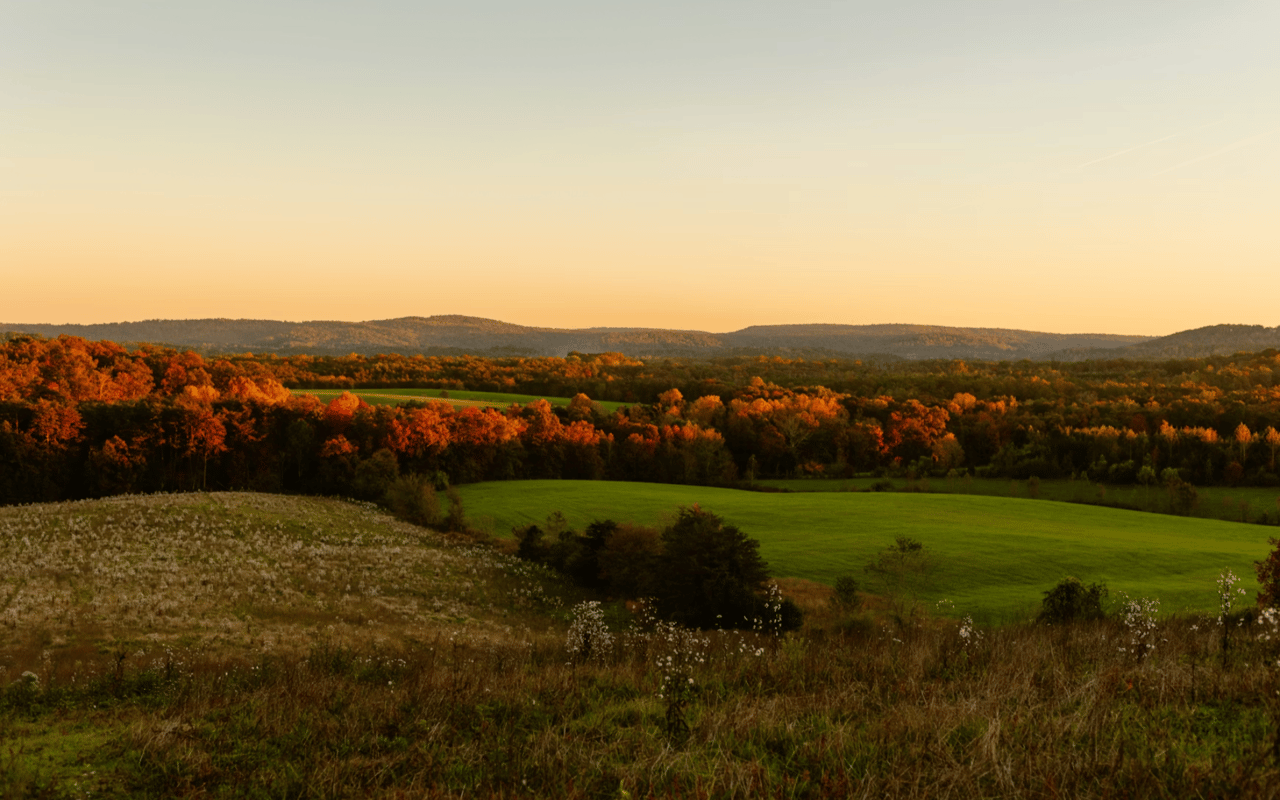
From the Mississippi River bottoms to the hardwood tracts east of Shelby County, land around Memphis supports agriculture, recreation, and long-term asset strategies. We work with clients who understand how proximity to Memphis logistics, interstates, and rural acreage creates unique land opportunities.
Investing in land in Memphis TN takes a blend of knowledge, productivity, and forward planning.
Key Takeaways
- Waterfowl and timber assets
- Delta and river influences
- Long-term land strategies
- Diverse acreage uses
Duck Clubs in the Mississippi Flyway
Duck clubs west and north of Memphis benefit from the Mississippi Flyway and seasonal water movement.
Why Duck Clubs Hold Value
- Flyway location: Consistent migratory patterns through West Tennessee.
- Water control features: Levees, sloughs, and managed impoundments.
- Large acreage tracts: Support privacy and habitat management.
Properties near the Loosahatchie River and Mississippi River bottoms often support managed waterfowl habitats.
Timberland in Fayette and Hardeman Counties
Timber tracts east of Memphis in Fayette and Hardeman Counties support long-term growth strategies. Pine and hardwood stands align with established forestry practices.
Timber Investment Characteristics
- Managed pine stands: Support predictable harvest cycles.
- Hardwood acreage: Adds diversity and long-term value.
- Road access: Facilitates management and transport.
Timberland offers patience-driven returns tied to land quality. Proximity to Memphis supports operational efficiency.
Row Crop and Delta Farmland
Row crop land south and west of Memphis benefits from the Delta soils and established farming infrastructure.
Agricultural Land Features
- Fertile soils: Support consistent crop production.
- Field layout: Large, contiguous tracts common.
- Drainage systems: Essential for seasonal management.
Agricultural land reflects the region’s working landscape. Cotton, soybeans, and corn shape land use patterns.
Recreational Hunting and Mixed-Use Tracts
Mixed-use tracts combine hunting, timber, and open land within a single property. These parcels often sit within an hour of Memphis.
Mixed-Use Appeal
- Multiple revenue paths: Timber, leases, and recreation.
- Flexible acreage sizes: Accommodate varied strategies.
- Access to rural roads: Simplifies management.
Such properties offer adaptability over time, appealing especially to long-term landholders.
Riverfront and Floodplain Land
Land along the Mississippi River and its tributaries carries unique characteristics tied to water levels and soil composition.
Riverfront Considerations
- Seasonal water patterns: Influence use and access.
- Wildlife presence: Supports hunting and conservation.
- Scenic corridors: Add long-term appeal.
Understanding river dynamics shapes land use decisions. Floodplain acreage often supports recreation and agriculture.
Conservation and Wetland Properties
Wetland and conservation-focused land supports habitat preservation and environmental programs.
Conservation Land Attributes
- Natural water features: Sloughs and backwaters.
- Habitat diversity: Supports wildlife populations.
- Long-term stewardship: Emphasizes land care.
These tracts often overlap with hunting and water management uses.
Conservation land reflects responsible ownership. It contributes to the broader land ecosystem.
Solar and Alternative Use Acreage
Flat, open land outside Memphis draws interest for alternative uses like solar installations.
Alternative Use Factors
- Topography: Flat parcels preferred.
- Transmission access: Proximity matters.
- Long-term leases: Shape income models.
These uses represent evolving land strategies. They expand the scope of investing in land Memphis TN.
Location and Access as Core Drivers
Land value around Memphis ties closely to access and distance. Travel time influences management and enjoyment.
Access Elements to Evaluate
- Proximity to Memphis: Supports regular oversight.
- Highway connections: Simplify logistics.
- County road quality: Affects usability.
These factors influence how land fits into daily life. They shape long-term outcomes.
FAQs
What types of land are most common near Memphis?
Common types include agricultural fields, timber tracts, hunting land, and mixed-use acreage. Each reflects regional geography.
How far do most land tracts sit from Memphis?
Many properties fall within one to two hours of the city. This range supports active management.
Does land use change over time?
Yes, land often evolves between agricultural, recreational, and conservation uses. Planning supports flexibility.
Contact Myers Cobb Realtors Today
Land around Memphis tells a story shaped by rivers, forests, and working ground that continues to support diverse strategies. We help clients navigate investing in land Memphis TN by focusing on location, use potential, and long-term alignment with regional trends.
Reach out to us at Myers Cobb Realtors® for local insight and a practical approach to land transactions rooted in the realities of West Tennessee.