Choosing between an older neighborhood and a newer one in Collierville is not just about home age. It is about how you want to live every day. If you are torn between the charm of the historic in-town area and the convenience of a planned community, the right answer comes down to your routine, your flexibility, and your long-term goals. This guide will help you compare both options with more clarity so you can move forward with confidence. Let’s dive in.
Old vs. New in Collierville
Collierville’s planning framework makes a clear distinction between two neighborhood patterns. Around downtown, you will find a more traditional urban fabric shaped over time. In other parts of Town, you are more likely to see conventional suburban development created through the subdivision process.
That difference affects more than appearance. It can influence lot size, street layout, walkability, exterior rules, commute convenience, and even how easy it is to make future changes to your home.
What defines older neighborhoods
In and around Town Square, Collierville’s historic neighborhoods developed gradually instead of following one master plan. As larger tracts were subdivided over time, streets formed a more irregular pattern than you would expect in a modern subdivision.
That older pattern gives these areas a distinct sense of place. The Downtown Collierville Small Area Plan describes the Square and surrounding downtown area as both a destination and the heart of a vibrant living neighborhood.
Historic character and architecture
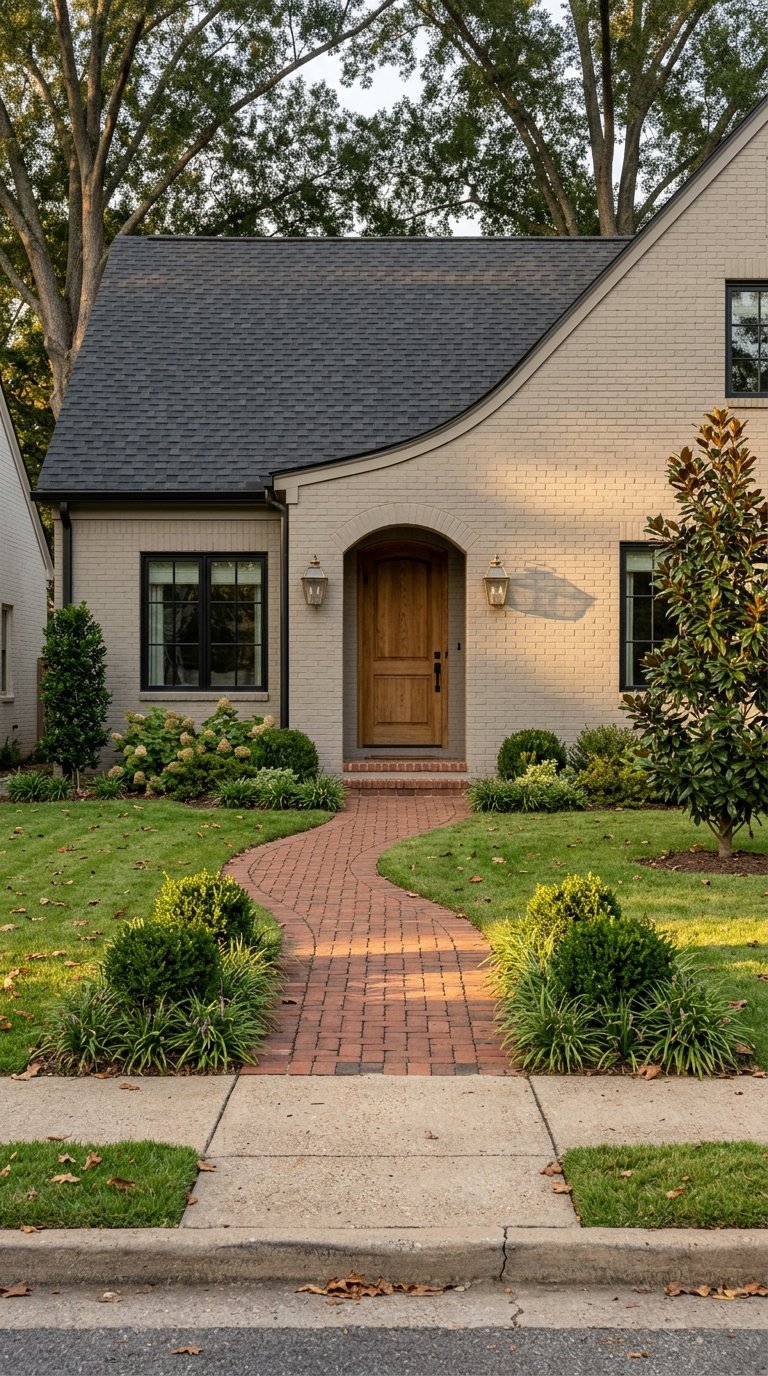
One of the biggest draws of older neighborhoods is architectural variety. Collierville’s preservation planning documents describe a wide range of historic home styles, including Greek Revival, Italianate, Queen Anne, Craftsman, and Colonial Revival.
You may also notice common design details that give the historic core its visual appeal. Features such as clapboard siding, steep gabled roofs, raised foundations, vertical openings, and wrap-around front porches help create the character many buyers love.
Lots and street layouts
Older neighborhoods near downtown often feel less uniform because they are. Historic-area parcel patterns reflect a range of lot sizes rather than a single subdivision template, and the street network is more varied because it evolved over time.
If you like the idea of a home site with its own personality, this can be a plus. If you prefer predictability in layout, setbacks, and neighboring homes, a newer neighborhood may feel easier to evaluate.
Walkability and daily convenience
For many buyers, the biggest appeal of an older in-town neighborhood is lifestyle. The Town’s downtown plan emphasizes the Square as a living neighborhood and a destination, with stronger links planned to the greenbelt and nearby parks.
In practical terms, that often means easier access to Town Square activities, short errands, and a more pedestrian-friendly feel. If your ideal routine includes spending time near downtown, older neighborhoods may rise to the top of your list.
Historic district rules matter
Character often comes with more oversight. In Collierville’s historic district, the Historic District Commission reviews visible exterior changes such as alterations, additions, and demolition on a case-by-case basis.
That can affect future projects in important ways. Even fence guidance is more specific in the historic district, where fences are capped at 42 inches and subject to review.
If you want maximum freedom to change exterior details after closing, this is a key point to discuss before you buy. A historic home can be rewarding, but it is best for buyers who appreciate both the charm and the rules that protect it.
What defines newer neighborhoods
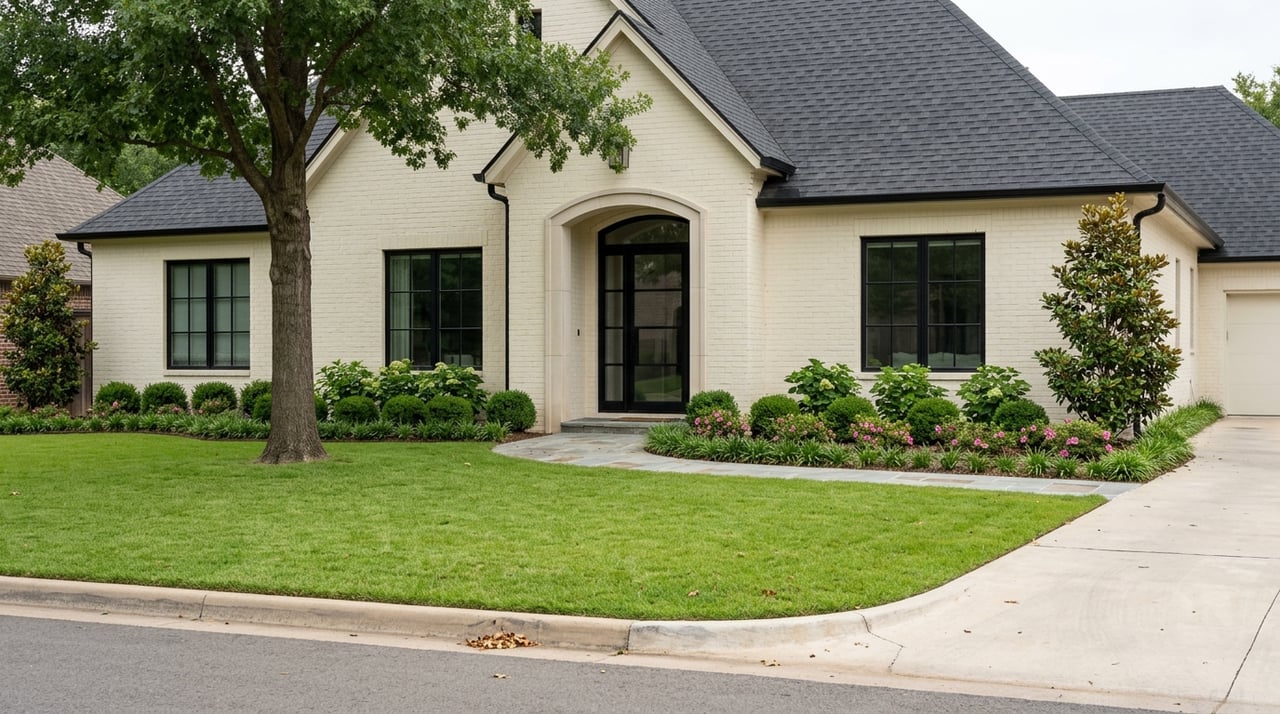
Outside the historic core, Collierville’s newer neighborhoods are typically shaped through the subdivision process. The Town describes these suburban neighborhoods as primarily low-density single-family detached housing with similar house and lot sizes within each neighborhood.
That often creates a more consistent look and feel from street to street. For many buyers, that consistency brings a sense of order and makes it easier to compare homes, features, and resale positioning.
Planned design and predictability
Collierville’s design guidelines for newer development emphasize usable open space, landscaping, buffering, tree planting, pedestrian connections, and parking placed to the side or rear when possible. In attached residential areas, the Town also requires sidewalk and trail connectivity and encourages primary entrances to face streets rather than parking lots.
For you, that can translate into a neighborhood that feels more intentionally planned. The tradeoff is that newer areas may offer less architectural spontaneity than the historic core.
Amenities and connected living
Amenities are often a major advantage in newer communities. Collierville’s Greenbelt System includes 18.58 miles of trails designed to connect neighborhoods, parks, schools, and commercial areas, and the Town says its park system includes 20 parks spanning about 750 acres.
When a newer neighborhood is tied into those amenities, your day-to-day experience can feel especially convenient. You may find it easier to access trails, parks, and nearby retail without relying solely on the older downtown core.
Examples of newer development
Schilling Farms is one of the clearest local examples of Collierville’s master-planned approach. The Town describes it as a 450-acre mixed-use project with multi-family and single-family housing, office and medical space, a school, and numerous restaurants.
The Town’s active development list also points to continued housing activity in areas such as Byhalia Commons, the Villages at Shelby Station, and the Schilling Farms Water Tower District. That matters if you want a newer home or prefer a neighborhood where newer inventory is more likely to come to market.
How commute and routine can shape your choice
Your daily routine should carry real weight in this decision. Collierville sits at the crossroads of I-269, US 72, and SR-385, with I-40 less than 15 minutes away and I-55 less than 30 minutes away.
That means some newer neighborhoods near major corridors may offer an advantage for commuters. On the other hand, historic in-town neighborhoods may be more appealing if you care most about quick access to Town Square and a more walkable, local rhythm.
Neither option is universally better. The right fit depends on whether your week revolves more around highways and regional access or around staying close to downtown amenities and neighborhood character.
Thinking about future resale
Resale is rarely about one feature alone. It usually comes down to how well a home matches what future buyers will want in that specific part of Collierville.
Older in-town homes may benefit from relative scarcity, distinctive architecture, and a strong sense of place. Collierville’s residential planning also suggests that compact multi-family growth downtown will remain limited because of limited vacant land and redevelopment opportunities, which supports the idea that in-town historic homes may remain a more limited product type.
Newer homes in planned neighborhoods can be easier to compare and market because the product is more standardized. At the same time, similar nearby homes may create more direct competition when it is time to sell.
A practical resale conversation should also include neighborhood rules, exterior flexibility, buyer demand at your price point, and how long you expect to own the property. That is where local guidance can make a real difference.
Five questions to ask before you buy
If you are deciding between old and new neighborhoods in Collierville, these questions can help you focus on what matters most:
- How much exterior flexibility do you want after closing?
- Is walkability to Town Square or easier highway access more important to your routine?
- Do you prefer a distinctive older lot or a more standardized lot in a planned community?
- What HOA, design-review, or historic-district rules could affect future projects?
- Which neighborhood type fits your likely resale timeline and price point?
These questions help move the decision from abstract preference to real-life fit. That is usually the fastest way to narrow your search.
The right choice depends on you
In Collierville, older neighborhoods tend to offer charm, variety, and a close connection to Town Square. Newer neighborhoods often offer more predictable layouts, newer infrastructure, and an amenity-focused lifestyle.
The best option is the one that supports the way you actually live. When you look beyond curb appeal and think about daily routine, future plans, and resale strategy, the choice usually becomes much clearer.
If you want help comparing neighborhood styles, evaluating resale potential, or finding the right fit in Collierville, Myers Cobb Realtors offers concierge-level guidance backed by deep local market knowledge.
FAQs
What is the difference between older and newer neighborhoods in Collierville?
- Older neighborhoods near downtown typically have more architectural variety, irregular street patterns, and stronger access to Town Square, while newer neighborhoods usually offer more standardized layouts, planned amenities, and subdivision-based design.
Do historic homes in Collierville have extra renovation rules?
- Yes. In the historic district, the Historic District Commission reviews certain exterior changes visible from the public right-of-way, including some alterations, additions, and demolition.
Are newer Collierville neighborhoods built around amenities?
- Many newer areas are designed with amenities in mind, including connections to sidewalks, trails, parks, and nearby commercial areas, depending on the development.
Is downtown Collierville more walkable than newer areas?
- The Town’s downtown planning documents support the Square and surrounding area as a living neighborhood and destination, so buyers who want easier access to Town Square often focus on older in-town locations.
Which Collierville neighborhood type may have better resale potential?
- It depends on the home, price point, neighborhood rules, and your timeline. Older homes may benefit from scarcity and distinctive character, while newer homes may be easier for buyers to compare because they are more standardized.
How can you choose the right neighborhood type in Collierville?
- Start by comparing your daily routine, commute needs, maintenance preferences, exterior flexibility, and long-term plans. Those factors usually point you toward the best fit more clearly than age alone.